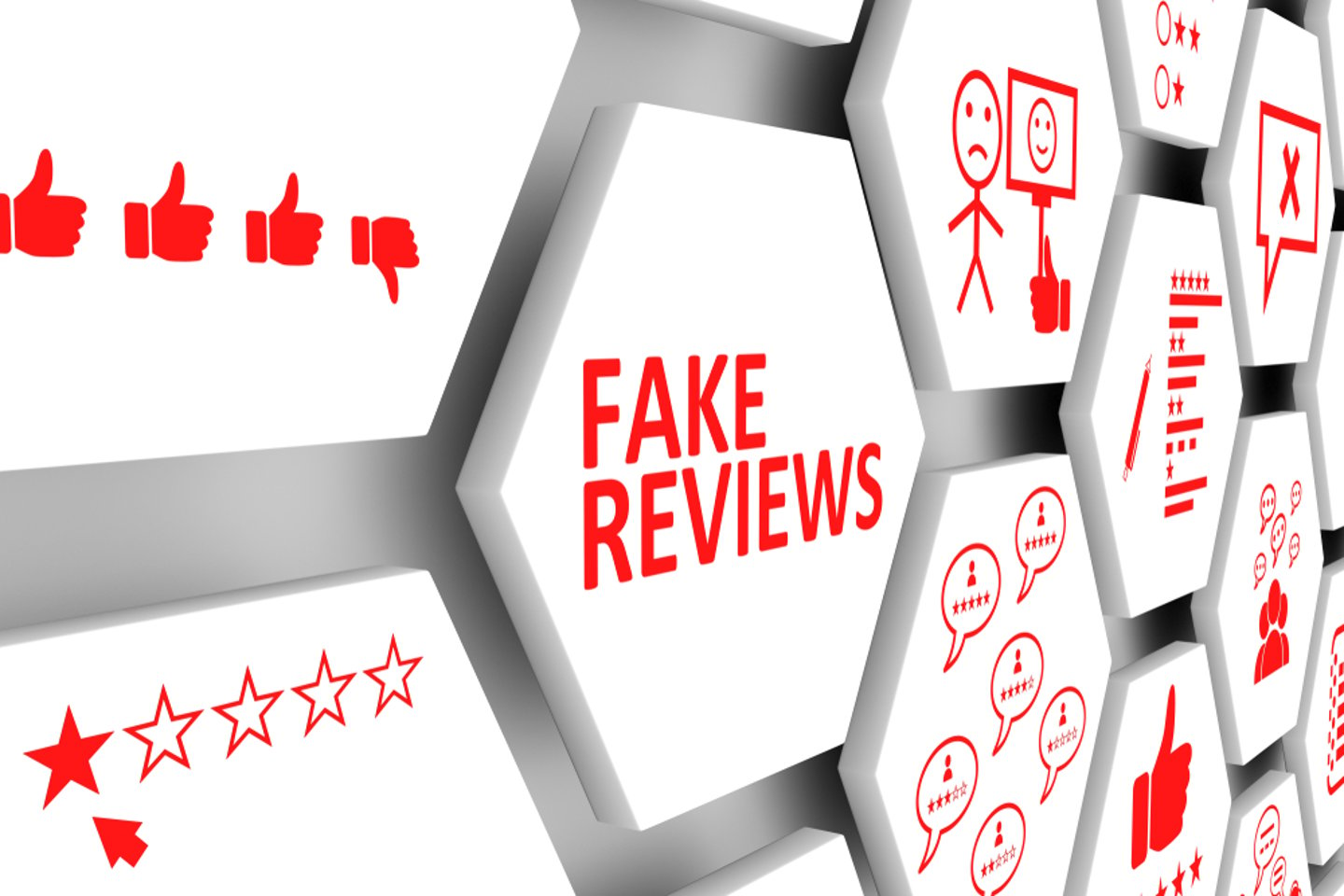
Before you book a hotel, buy a new smartphone, or even try a new brand of coffee, what is the very first thing you do? If you are like the vast majority of consumers in 2026, you scroll straight past the marketing copy and head directly for the star ratings. We have been conditioned to rely on the wisdom of the crowd, trusting the experiences of complete strangers to guide our hard-earned money.
But what happens when the crowd is an illusion?
As e-commerce platforms grow larger and more complex, a multi-million-dollar shadow industry has emerged with a single goal: manipulating your purchasing decisions. Understanding how fake reviews mislead customers is no longer just about avoiding a poor-quality t-shirt; it is about protecting your financial security and personal safety against highly sophisticated, AI-driven digital fraud. Let’s pull back the curtain on the modern review ecosystem and uncover the strategies you need to shop safely.
1. The Anatomy of Modern Deception: What Has Changed?
A few years ago, spotting a fake review was relatively easy. They were often plagued by poor grammar, repetitive phrasing, and bizarre, robotic enthusiasm. Today, that is no longer the case. The integration of Generative AI into review brokering has completely changed the landscape.
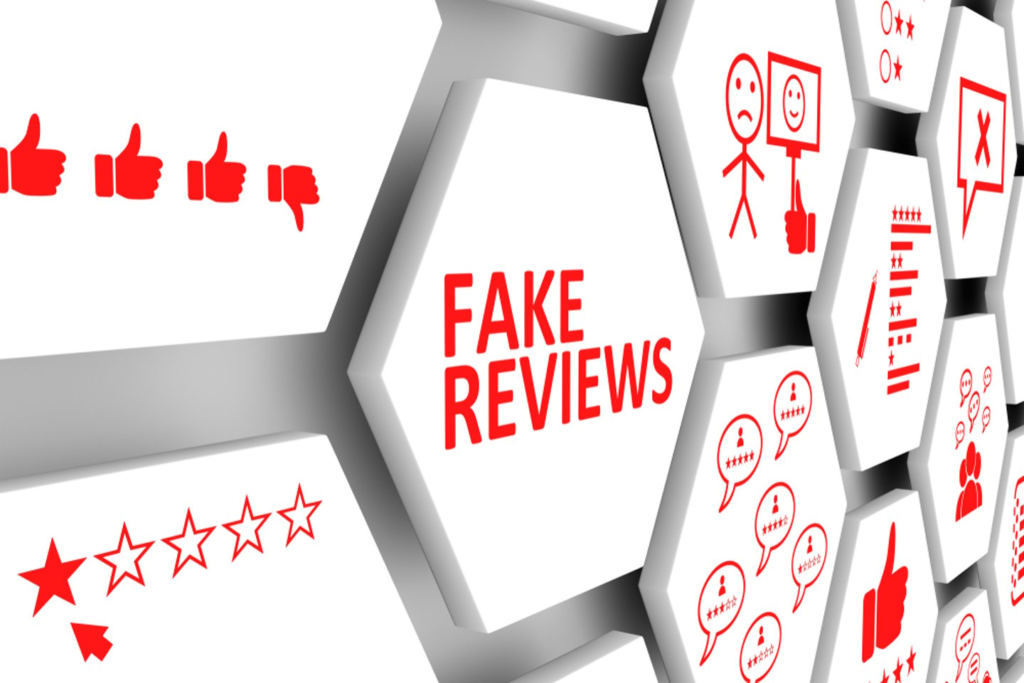
Scammers now use advanced language models to generate thousands of nuanced, highly realistic, and contextually accurate reviews in seconds. These bots even write fake “three-star” reviews with minor, believable complaints just to make the overall rating look authentic.
The Evolution of the Fake Review
| Feature | The Past (Pre-2023) | The Present (2026 Reality) |
|---|---|---|
| Generation Method | Human “Click Farms” paid pennies per post. | Automated AI bots generating hyper-realistic text. |
| Language & Tone | Broken English, overly enthusiastic, unnatural. | Conversational, nuanced, mentions specific product features. |
| The Tactic | Flooding a product with 5-star reviews instantly. | “Drip-feeding” reviews over months to evade platform detection. |
| Reviewer Profile | Empty profiles with no history. | Hijacked legitimate accounts or aged “zombie” profiles. |
By mimicking human behavior perfectly, these systems bypass the traditional red flags that shoppers used to rely on.
2. The Psychological Trap: How Fake Reviews Mislead Customers
The success of a fake review does not rely on the technology alone; it relies on human psychology. Cognitive biases play a massive role in why we fall for these scams.
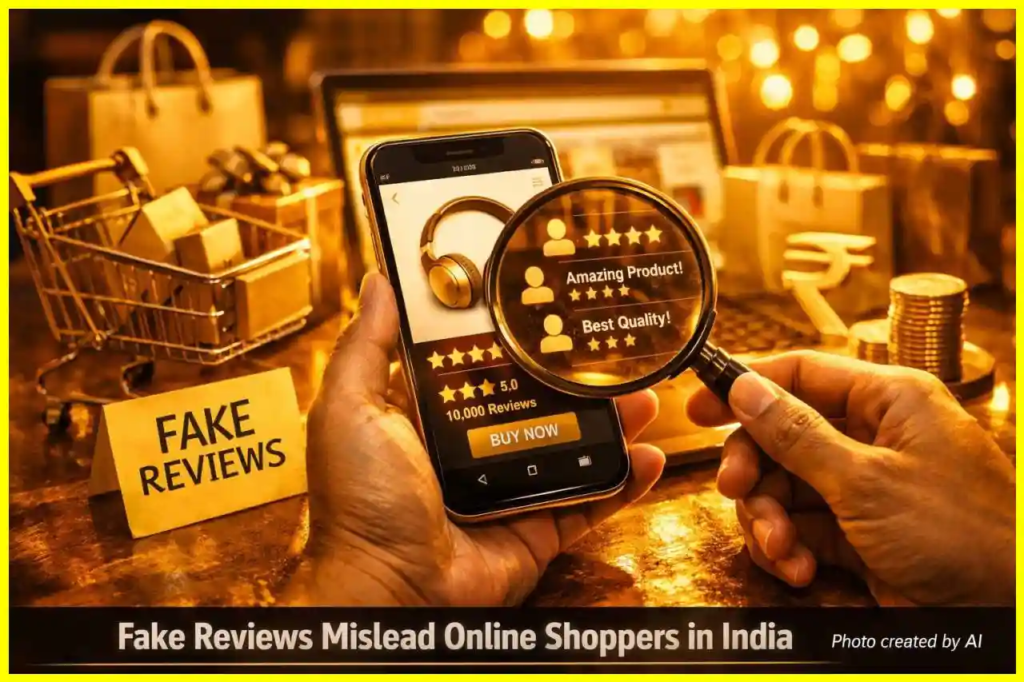
When we see a product with 4.8 stars and 10,000 reviews, our brains experience a phenomenon known as “social proof.” We assume that if 10,000 other people bought it and loved it, it must be a safe bet. This mental shortcut stops us from doing further research.
Furthermore, bad actors often practice “review hijacking.” This is a tactic where a seller takes the listing of a highly rated, discontinued product (like a popular brand of lip balm) and swaps the product image and description to a completely different, inferior item (like a cheap electronics charger). The new product inherits the thousands of positive reviews from the lip balm. If you do not read the actual text of the reviews, you will assume the charger is universally loved. This is exactly how fake reviews mislead customers into buying dangerous or useless goods.
3. The Real-World Cost: Financial and Safety Risks
The consequences of this deception extend far beyond buyer’s remorse. In the modern marketplace, fake reviews are often used to push counterfeit, unregulated, or actively dangerous products.
The Hidden Danger: “Fake reviews strike at the heart of consumer trust. They aren’t just about selling a bad product; they are about selling a dangerous one. We have seen unregulated electronics with fake safety certifications pushed to the top of search results purely on the back of fabricated five-star ratings.”
Recently, consumer protection watchdogs noted a surge in fake reviews propping up counterfeit pet medications, cosmetics containing toxic chemicals, and faulty lithium-ion batteries. When the review system is compromised, the safety net that protects everyday consumers completely disintegrates.
4. The 2026 Regulatory Crackdown: The Law Fights Back
Governments and regulatory bodies have finally recognized the severity of this issue. We are currently in the midst of a massive global crackdown on fake review brokers and the platforms that enable them.
- The U.S. Federal Trade Commission (FTC): The FTC has drastically heightened its enforcement of new consumer review rules. In 2026, the agency is pursuing civil penalties of over $53,000 per violation against brokers who sell fake reviews and businesses that knowingly buy them. They have also strictly outlawed the practice of hiding or suppressing negative reviews to artificially inflate a product’s rating.
- The UK’s Competition and Markets Authority (CMA): Under the recently enacted Digital Markets, Competition and Consumers (DMCC) Act, the CMA has launched expansive investigations into major sectors, including automotive and digital retail. Companies found breaching these laws face catastrophic fines of up to 10% of their annual global turnover.
These legal frameworks send a clear message: the era of businesses turning a blind eye to manipulated feedback is coming to an end.
5. The Shopper’s Defense Guide: Spotting the Fakes
While regulators fight the macro battle, you must protect yourself on the micro level. Even the most sophisticated AI operations leave digital footprints. Here is how you can spot the fakes before hitting the checkout button:
- Check the Dates: If a product has 500 reviews, and 450 of them were posted within a suspicious three-day window, walk away. Legitimate reviews accumulate gradually over time.
- Beware of Overly Technical Praise: Real consumers rarely use the exact, full technical name of a product repeatedly. If a review says, “I absolutely love my new Ultra-Max Pro Series 9 4K Titanium Blender,” it was likely written by a bot instructed to stuff SEO keywords into the text.
- Look for the “Verified Purchase” Tag: While not foolproof, prioritize reviews marked as verified purchases. Scammers can manipulate these, but it raises the cost and difficulty for them to do so.
- Read the 3-Star and 4-Star Reviews: Fake reviews are almost always 1-star (attacks from competitors) or 5-star (paid promotion). The 3 and 4-star reviews usually contain the most honest, nuanced assessments of a product’s actual pros and cons.
- Use Third-Party Analyzers: Utilize free browser extensions and websites like Fakespot or ReviewMeta. These tools use their own algorithms to strip away suspicious reviews and give you an adjusted, highly accurate star rating.
The convenience of online shopping is undeniable, but it requires a new level of digital literacy. Understanding exactly how fake reviews mislead customers empowers you to look past the shiny star ratings and evaluate a product based on reality.
As AI technology continues to advance, the line between authentic human experiences and fabricated marketing will only grow blurrier. By staying vigilant, utilizing review analysis tools, and maintaining a healthy dose of skepticism, you can ensure that your purchases are driven by truth, not by an algorithm designed to empty your wallet. Shop smart, read critically, and never trust a flawless 5-star rating at first glance.