The evening of Friday, May 22, 2026, will forever remain a dark chapter in the industrial history of Qinyuan County. What began as a standard evening shift in the depths of the earth ended in an unimaginable catastrophe when a massive underground gas explosion tore through the Liushenyu coal mine. As the smoke cleared and the sheer scale of the disaster became apparent, the world’s attention instantly turned to the staggering China mine explosion Shanxi deaths. Xi Jinping, the President of China, intervened immediately, demanding sweeping accountability, an unrelenting rescue mission, and a profound reassessment of national workplace safety.
This devastating event is not just a localized tragedy; it is one of the deadliest industrial accidents the nation has witnessed in the past decade. Below, we delve into the comprehensive timeline of the disaster, the heroic rescue efforts, and the broader implications for the global energy sector.
The Fateful Evening at Liushenyu Coal Mine
To understand the magnitude of this tragedy, one must look at the immense scale of the operations at the Liushenyu facility. At exactly 7:29 PM on Friday, 247 workers were on duty deep underground, navigating the complex, highly pressurized network of subterranean shafts. Without warning, a massive gas blast ripped through the primary corridors.
Gas explosions are the most feared occurrences in subterranean coal extraction. They happen when pockets of highly combustible methane gas—naturally released during the coal extraction process—accumulate and are ignited by a spark. The resulting shockwave is catastrophic, causing immediate structural collapses, consuming all available oxygen, and releasing toxic carbon monoxide into the confined air supply.
The initial moments following the blast were categorized by utter chaos and desperation. Emergency sirens echoed across Changzhi city as specialized rescue teams, medical personnel, and local authorities rushed to the cordoned-off site to pull survivors from the wreckage.
The Rising Toll: Understanding the Casualties
In the immediate aftermath, state media outlets released highly preliminary figures, initially reporting that over 200 workers had been safely evacuated, with only eight confirmed fatalities. However, as rescue teams pushed deeper into the collapsed and toxic ventilation shafts throughout Saturday morning, the grim reality of the situation surfaced.
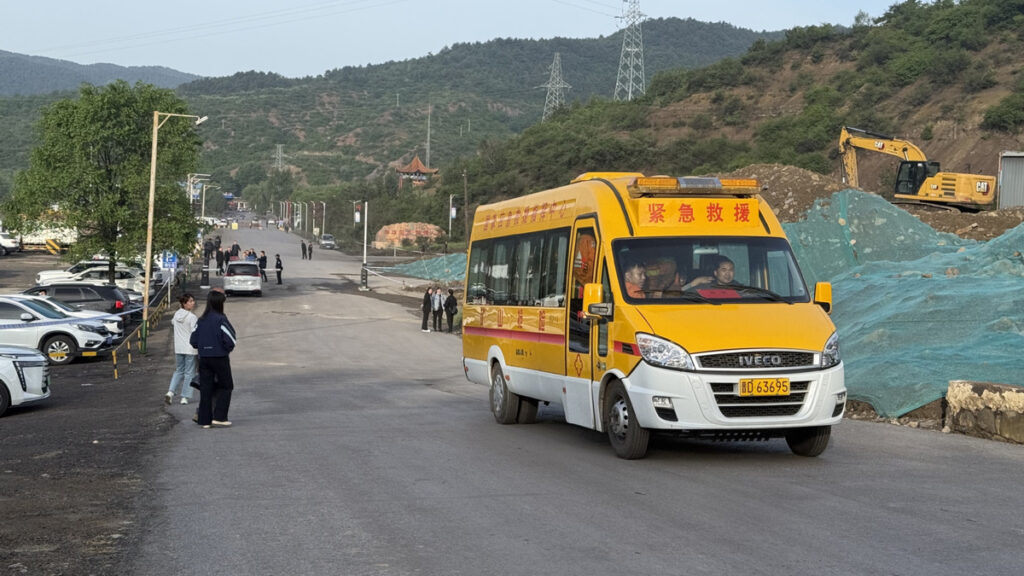
The death toll experienced a dramatic and heartbreaking upward revision. Current official reports confirm that up to 90 miners have lost their lives, making it a mass-casualty event of historic proportions. Several workers remain unaccounted for, leaving families agonizing in waiting zones near the perimeter of the facility. The sheer logistical difficulty of navigating a compromised mine shaft—where the risk of secondary explosions remains critically high—has made the recovery operation a slow, perilous endeavor.
Snapshot of the Disaster
| Category | Official Incident Details |
|---|---|
| Incident Location | Liushenyu Coal Mine, Qinyuan County, Changzhi City, Shanxi Province |
| Date and Time | Friday, May 22, 2026, at 7:29 PM Local Time |
| Personnel Underground | 247 active miners on shift |
| Confirmed Fatalities | Up to 90 lives lost (Figures subject to final recovery efforts) |
| Nature of Incident | Catastrophic underground gas blast and structural collapse |
The Official Response to the China Mine Explosion Shanxi Deaths: Xi Jinping Demands Action
The political and governmental response to the disaster was swift and uncompromising. Recognizing the intense public grief surrounding the China mine explosion Shanxi deaths, Xi Jinping issued immediate, high-level instructions to regional and national authorities.
According to state media, President Xi Jinping mandated that emergency services “spare no effort” in treating the injured and locating the missing. Moving beyond the immediate rescue, he ordered a meticulous, transparent investigation into the root causes of the methane buildup. Furthermore, Xi stressed the absolute necessity of holding those responsible strictly accountable under the law.
Premier Li Qiang echoed these sentiments, demanding the timely and accurate release of public information to counter misinformation. To ensure these directives were executed on the ground, Vice Premier Zhang Guoqing was immediately dispatched to lead a specialized task force directly at the disaster site in Shanxi.
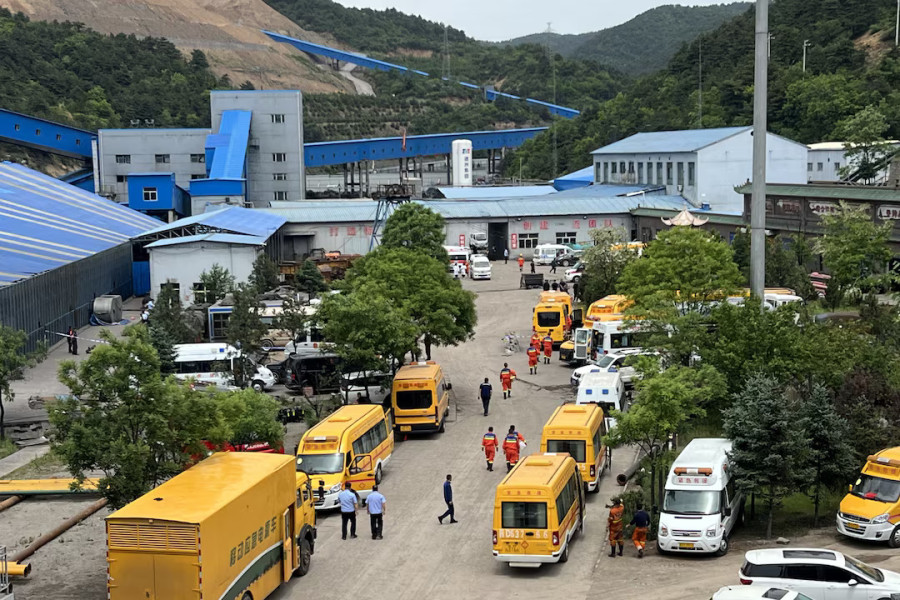
“Authorities across the country must learn from this accident, remain vigilant on workplace safety, and intensify efforts to identify and eliminate potential risks in order to prevent major accidents.” — Official statement echoing the central government’s mandate following the disaster.
Shanxi Province: The Unyielding Heart of China’s Coal Industry
To fully grasp why this disaster resonates so deeply across the country, one must understand the unique identity of Shanxi Province. Landlocked and larger in geographic area than the nation of Greece, Shanxi is home to roughly 34 million people and serves as the undisputed powerhouse of China’s energy sector.
Last year alone, the province’s vast network of mines extracted a staggering 1.3 billion tonnes of coal, accounting for nearly one-third of the nation’s entire coal output. This immense production volume is the lifeblood that fuels China’s massive manufacturing hubs and electricity grids. However, this relentless demand for energy places extraordinary pressure on local mining operators to maintain uninterrupted production schedules. When the drive for output eclipses the strict adherence to safety protocols, the environment becomes ripe for catastrophic failures.
A Look Back: The Evolution of China’s Mining Safety Record
The tragedy at Liushenyu stands in stark contrast to the narrative of progress China has built over the last two decades. In the early 2000s, the country’s rapid industrialization was marred by horrific mining safety records, with thousands of workers perishing annually due to unregulated “wildcat” mines, poor ventilation, and frequent flooding.
Through aggressive government intervention, the closure of thousands of illicit operations, and the mandatory installation of advanced digital monitoring systems, the mortality rate plummeted significantly over the 2010s.
Era Comparison: Industrial Safety Trajectory
| Decade | Safety Landscape and Regulatory Climate |
|---|---|
| 2000 – 2010 | High fatality rates characterized by fragmented, poorly regulated local mines prioritizing output over safety. |
| 2011 – 2020 | Massive regulatory overhaul. Implementation of severe penalties for safety violations and forced consolidation of smaller mines. |
| 2021 – 2026 | Integration of digital gas-monitoring networks and automated extraction. However, deep-shaft mega-disasters remain a persistent, critical threat. |
Friday’s explosion serves as a brutal reminder that despite advanced technology and stringent regulations, the fundamental dangers of subterranean fossil fuel extraction can never be entirely neutralized.
Legal Repercussions and the Road Ahead
The central government has already begun to exact its promised accountability. Reports confirm that several high-ranking executives and operational managers of the company responsible for the Liushenyu mine have been formally detained by local authorities. While specific charges have not yet been publicized, they will likely face intense scrutiny regarding safety inspections, ventilation maintenance logs, and emergency preparedness protocols.
This swift legal action sends an unmistakable message to the broader industrial sector: negligence that results in the loss of human life will be met with the full force of the state’s judicial system. Furthermore, as China simultaneously enters its volatile flood season, the government has explicitly tied the lessons of this disaster to a broader mandate for national emergency preparedness across all sectors.
Final Thoughts
The coming weeks will be defined by mourning, funerals, and arduous investigations. The families of the victims will seek answers that no amount of compensation can truly satisfy.
As the world processes the devastating China mine explosion Shanxi deaths, Xi Jinping and his administration face the monumental task of honoring the fallen by transforming this tragedy into a permanent catalyst for change. The Liushenyu disaster will undoubtedly prompt nationwide audits of every operational coal mine, ensuring that the men and women who power the nation’s economy are never again subjected to such preventable peril. The ultimate legacy of this dark Friday must be a renewed, unbreakable commitment to human life above industrial output.