If you have recently been to a market paid a utility bill or filled up your scooter with petrol you have probably felt the sting of rising prices. The numbers just do not add up like they used to. Your salary might be the same. You are taking home fewer goods in your shopping bags. In 2026 economics is no longer a subject, in textbooks or banking offices; it is affecting you directly.
For families trying to balance their household budgets young professionals looking for jobs or planning their careers after board results and anyone trying to save for the future understanding how inflation affects common people is crucial.
Lets look into the crisis of 2026 find out why the cost of your essentials is going up and explore what it means for your money.
The Silent Thief of Purchasing Power
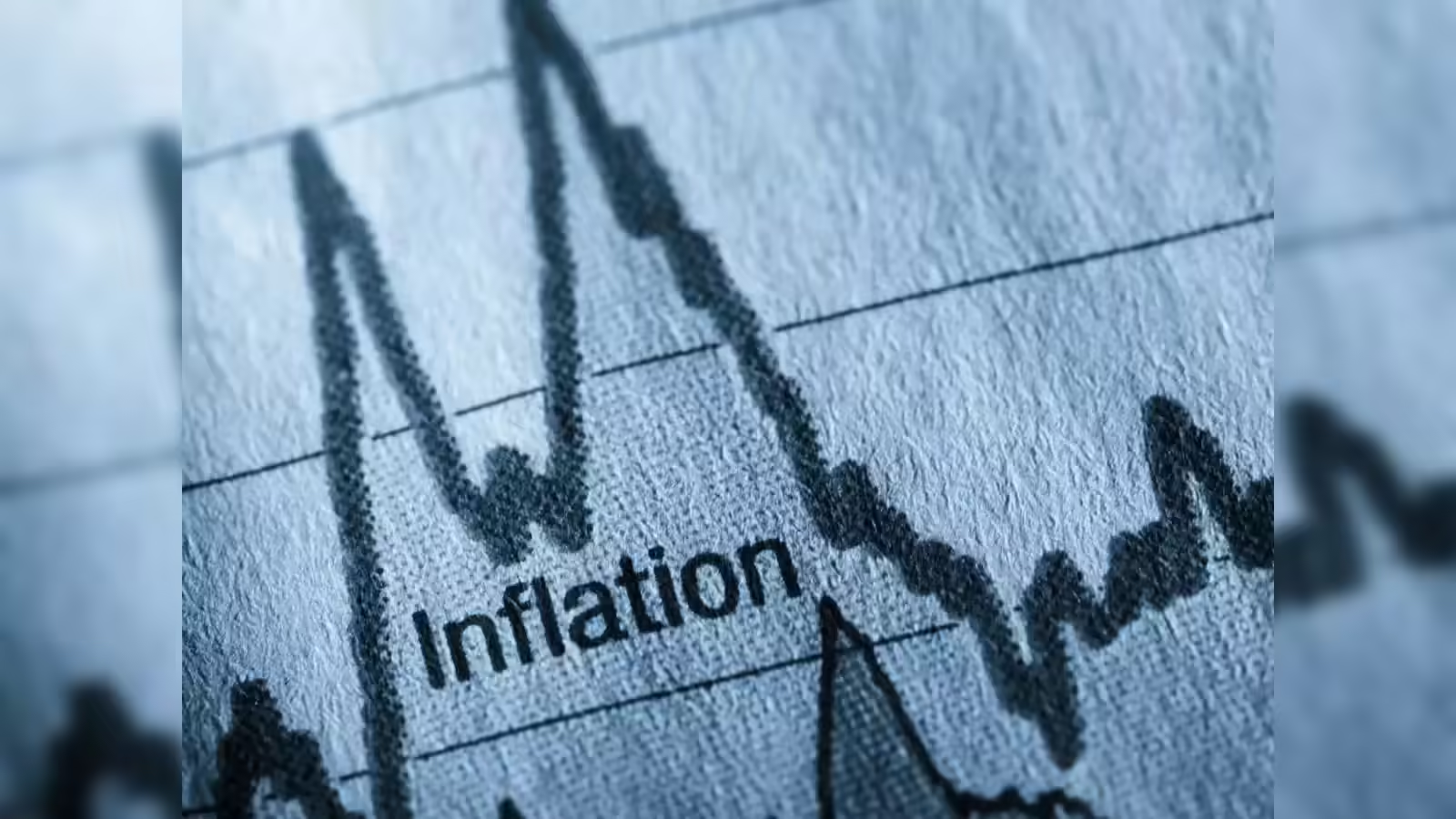
Inflation is basically when the money in your pocket does not go far as it used to. It is what happens when money loses its value over time. This means that every single unit of currency you have can buy you a bit less today than it could yesterday.
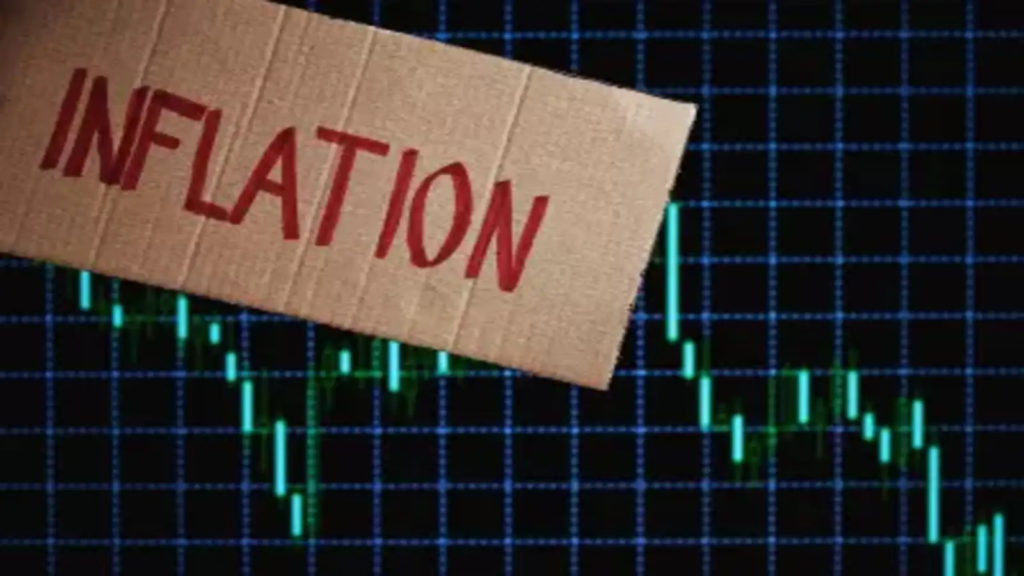
Imagine you saved up some money year to buy a new budget 5G smartphone or to put a down payment on a new mid-range SUV. At that time the money you saved was enough to cover the cost.. Today because the cost of raw materials, electronics and shipping has gone up that same amount of money is not enough. You have to either use your emergency funds wait to make the purchase or settle for a model. This is how inflation affects people like you and me it is like a loss of wealth that you do not even notice.
Inflation is like a tax that everyone has to pay. You do not see it when you get your paycheck. You feel it when you buy things at the store.
Real-World Impact: The 2026 Scenario
This year has been really tough. The economy has been doing some things. Even though it might seem like the prices of things you buy are not going up much the prices of things before they even get to the stores have gone up a lot. This is because of problems in the world. Because it is hard to get some things.
So what does all this mean for you? It means that the people who make things are paying a lot money, for energy, oil and the materials they need. These people cannot keep paying more forever. Eventually they will raise the prices of the things they make. You will have to pay more when you buy them. Inflation is what happens when the cost of living goes up and your money does not go far as it used to. Inflation is when you have to pay more for the things.
Let us break down the direct impact on daily expenses.
| Expense Category | What Is Driving the Price Up? | The Direct Impact on Consumers |
|---|---|---|
| Daily Groceries | Erratic weather (like severe heatwaves) and surging fertilizer and transport costs. | Sharp spikes in vegetable prices (e.g., tomatoes surging over 35% earlier this year), making basic home-cooked meals costlier. |
| Transportation | Global geopolitical tensions pushing crude petroleum wholesale inflation up significantly. | Higher fuel prices at the pump; increased auto-rickshaw, bus, and train fares for daily commuters. |
| Consumer Goods | Rising costs of base metals, plastics, and semiconductor chips. | Noticeable price hikes on household appliances, laptops, and everyday consumer technology. |
| Housing & Utilities | Natural gas and furnace oil price jumps at the wholesale level. | Steeper monthly electricity bills and higher costs for cooking gas. |
The Savings Trap and Interest Rates
When things cost more, saving becomes a luxury.
This is one of the most painful realities of how inflation affects common people. As a larger percentage of your monthly income is swallowed by basic necessities like food, rent, and fuel, the slice of the pie left for your savings account shrinks dramatically.
Furthermore, to combat rising prices, central banking institutions often maintain or increase interest rates.
- The Bad News: If you are paying off a home loan (perhaps trying to secure a house under a government housing scheme) or a vehicle loan, your monthly EMIs might increase, tightening your budget even further.
- The Good News: Traditional savings accounts and fixed deposits might offer slightly better returns, though they often struggle to completely outpace the real, on-the-ground rate of inflation.
The Wage-Price Spiral: Are Incomes Keeping Up?
There is a concept in economics known as the wage-price spiral. As living costs increase workers demand wages to support their families. However when companies raise salaries their costs go up so they raise the prices of goods and services to protect their profits.
Unfortunately for people wages do not increase as quickly as the prices of daily goods. A salaried employee might get a 5% raise but if household expenses rise by 8% they are actually taking a pay cut. This gap hurts fixed-income earners, retirees and young job seekers looking for jobs in railway boards ITI positions or municipal corporations where starting salaries remain low despite pressure.
The Psychological Toll of Persistent Price Hikes
Inflation also affects peoples health. Financial stress is a burden. When people have to think about every penny spent it creates a sense of insecurity.
Parents worry about affording education and finding stable career paths for their children. Young adults feel like owning a home’s becoming impossible as property prices and loan interest rates rise. This financial stress can affect well-being and change consumer behavior from optimism to cautious survival. It is not about the numbers; it is, about the peace of mind that is lost when the cost of living increases.
Strategies to Protect Your Household Budget
While you cannot control global crude oil prices or fix international supply chains, you can build a personal defense mechanism against inflation. Here are practical, actionable ways to adapt in 2026:
- Auditing and Substitution: Track your expenses ruthlessly. If the price of a specific vegetable, branded packaged food, or daily staple skyrockets, pivot to local, seasonal alternatives or generic store brands.
- Delay Non-Essential Upgrades: If your current mobile phone or two-wheeler is functioning perfectly well, delay the upgrade. Wait for the wholesale inflation pressures to stabilize before making large, discretionary purchases.
- Invest in Skills: The best hedge against a rising cost of living is increasing your earning potential. Whether it is taking a technical certification course, upskilling in digital tools, or studying intensively for higher-paying roles, boosting your core income is crucial.
- Optimize Energy Consumption: With utility costs surging, simple habits like switching off unnecessary appliances, utilizing natural light, and maintaining your vehicles for better mileage can yield noticeable monthly savings over the course of a year.
Final Thoughts
The narrative of how inflation affects common people is not simply a matter of abstract market statistics; it is about the daily, difficult choices families are forced to make. It is the decision to skip a weekend outing to afford the electricity bill, or the stress of stretching a fixed pension across an increasingly expensive month.
By staying actively informed about these economic shifts and adjusting your financial sails accordingly, you can navigate the turbulence of 2026. Prioritize your essential spending, safeguard your emergency funds, and remember that while economic seasons inevitably change, disciplined and mindful financial habits will always provide a strong layer of much-needed security.