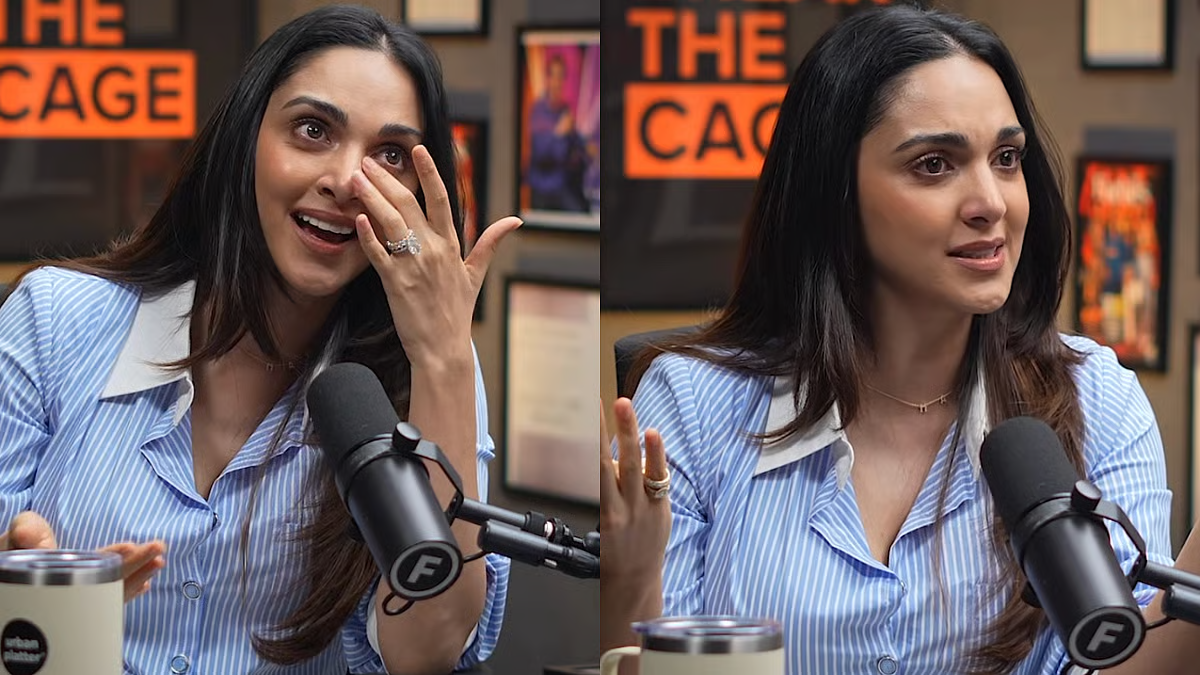
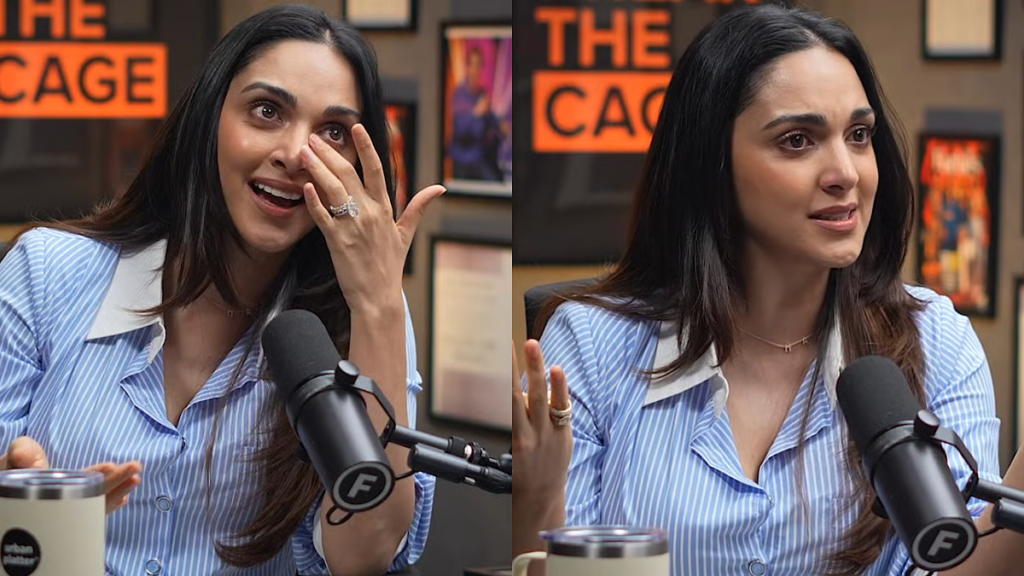
Kiara Advani, usually known for her polished image and glowing confidence, had a moment on stage that caught everyone off guard. It happened at a summit in 2026, and what people saw wasn’t the superstar they’re used to—it was a mom, raw and honest, sharing how tough that fourth trimester really is, the part of motherhood nobody talks about.
You always hear that the birth of a child is pure joy, but Kiara showed a different side. For her, it meant losing track of who she was, grappling with the messy, disorienting shift in identity that comes when your life suddenly revolves around a tiny human. By telling her own story, she’s joined the chorus of women—famous and not—finally speaking up about how rough those first months can be, both physically and emotionally.
1. The “Identity Shift”: Beyond the Silver Screen
She talked about the “identity shift.” One day, you’re living on your own terms, and the next, every second belongs to this fragile new life. Kiara described looking in the mirror and not recognizing herself anymore—not just the way she looked, but the way she felt inside.

- The Loss of Self: Kiara said when she looked in the mirror, she didn’t recognize herself anymore—not on the outside, not on the inside.
- The Hormonal Rollercoaster: She went through the wild hormonal swings so many women deal with. It brought on those “baby blues” and even waves of postpartum anxiety.
- Professional Pressure: Despite her success, the actress felt a looming pressure to “bounce back,” a standard she now calls “unrealistic and damaging”.
2. Breaking the Silence on Postpartum Health
As Kiara figures out motherhood, the tools available in 2026 make a real difference in how she manages everything—from baby care to personal security.
Postpartum Struggle Metrics: A Comparative Look
| Aspect of Recovery | Typical Public Narrative | The Reality (Kiara’s Experience) |
|---|---|---|
| Recovery Time | 6 weeks to “get back to normal.” | A year or more for a full emotional reset. |
| Social Support | Constant celebration and help. | Feelings of isolation despite being surrounded by people. |
| Body Image | Rapid weight loss and fitness. | An identity shift involving a new relationship with one’s body. |
| Mental State | Pure bliss and “glow.” | Highs and lows, often involving tears and exhaustion. |
3. Navigating Personal and Digital Identity in 2026
Take DigiLocker, for example. Moms can easily keep all their child’s medical records, from birth certificates to vaccinations, in one digital spot. It’s a huge relief not to hunt through piles of paper.
- Verified Digital Records: There’s also the whole issue of secure verification. To get into the best maternal healthcare portals, moms need to make sure their mobile number is linked to their government ID, so they can get those all-important OTPs and verify their identity without hassle.
- Secure Verification: Kiara talks about her shifting identity, and she’s not alone. These days, lots of women use paperless tools like e-Aadhaar to update official documents. They never have to fuss with physical paperwork, which just makes things easier.
- Identity Management: As Kiara mentions her identity shift, many women in 2026 find clarity by using paperless verification methods like e-Aadhaar to update their status on official documents without the stress of physical paperwork.
- Financial Security: Money gets its own system, too. New parents are setting up zero balance bank accounts for “Baby Expenses.” It keeps the family’s spending for the baby separate and organized—definitely one of the better trends of 2026.
4. Why This “Identity Shift” Matters for Modern Women
Kiara’s emotional breakdown serves as a “Quick Fix Guide” for the soul, acknowledging that it is okay to not be okay. The identity shift she refers to is the process of mourning the “old self” while making room for the new one.
“It’s like you’re a different person overnight. You go from being ‘Kiara’ to being ‘Mommy,’ and finding a balance between those two names is the hardest role I’ve ever played,” she shared while wiping away tears.
5. Strategic Support Systems
| Support Type | Importance | Strategy |
|---|---|---|
| Emotional | Very High | Open dialogue with partners and professional therapists. |
| Physical | High | Gradual return to movement based on advanced health tracking data. |
| Logistical | Moderate | Using AI assistants to manage feeding and sleep schedules. |
| Digital | High | Keeping all family IDs and health cards organized in DigiLocker. |
FAQs: Kiara Advani and Postpartum Struggles
What was the main reason Kiara Advani cried during the interview?
Kiara Advani cries while talking about postpartum struggles primarily because of the overwhelming identity shift and the physical/emotional exhaustion that followed the birth of her daughter.
How did her fans react to the news?
The reaction was overwhelmingly supportive, with many mothers sharing their own stories of “baby blues” and the difficulty of returning to work after childbirth.
Does having a linked ID help new mothers in 2026?
Yes. Having your mobile number linked to your ID allows you to instantly verify your identity for child-related government schemes, hospital records, and even paperless school admissions through DigiLocker.
What is the “identity shift” Kiara mentioned?
She referred to the psychological transition from being an independent woman and professional actress to becoming a mother whose life revolves around a baby’s needs, which can often feel like losing one’s original identity.
A New Era of Vulnerability
The moment Kiara Advani cries while talking about postpartum struggles will likely be remembered as a significant cultural milestone in 2026. It humanizes a global superstar and validates the experiences of millions of women who go through a similar identity shift. By speaking her truth, Kiara hasn’t just shared a personal story; she has advocated for a more compassionate and realistic understanding of motherhood in the modern age.