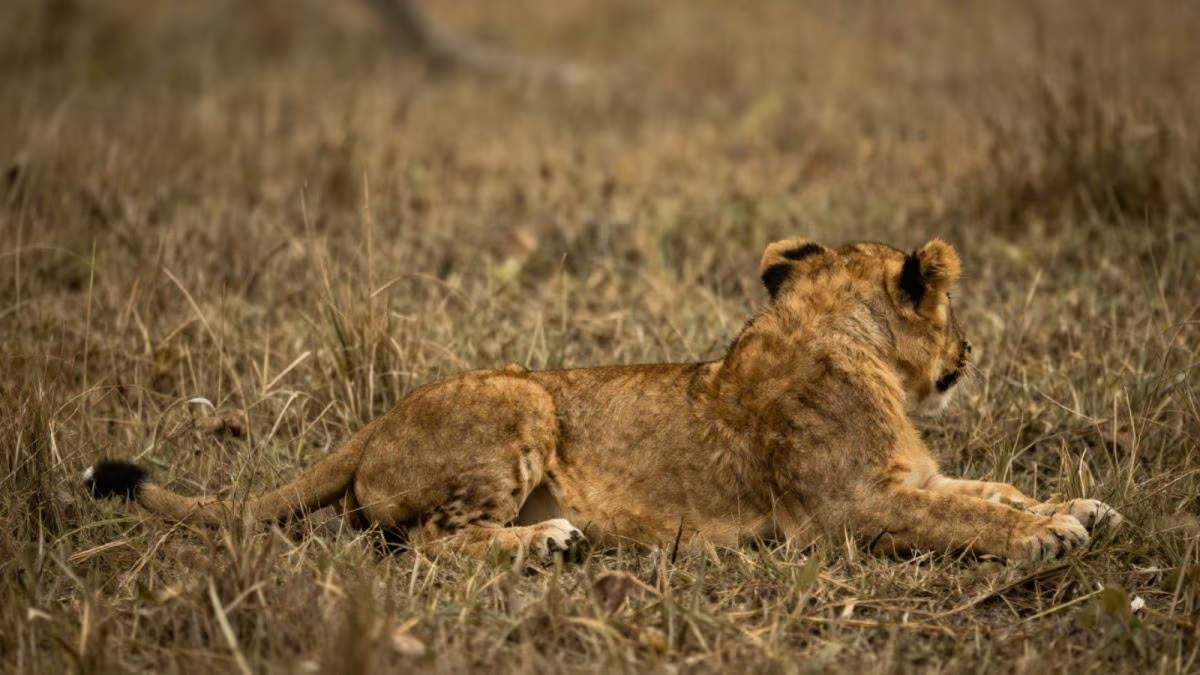
The Gir National Park and Wildlife Sanctuary in Gujarat—the last wild refuge of the endangered Asiatic lion—has been placed under heightened environmental and medical surveillance following a cluster of big cat fatalities. Reports confirming that five lions are dead in Gujarat’s Gir within a 10-day window sparked immediate public anxiety regarding a potential wildlife epidemic similar to past devastating viral outbreaks.
However, the Gujarat State Forest Department has moved quickly to clarify the situation and prevent widespread panic. In an official briefing, Forest Minister Arjun Modhwadia confirmed that while the five fatalities are deeply unfortunate, they represent isolated incidents across disparate geographical sites rather than a broad systemic contagion. Technical post-mortem examinations reveal that only two deaths—both young cubs with naturally fragile immune systems—are linked to a suspected tick-borne parasitic infection, while the remaining three big cats succumbed to routine ecological pressures.
Deconstructing the Fatalities: Routine Mortality vs. Infection
To prevent misinformation and clarify the exact nature of the losses, state wildlife handlers have separated the fatalities into distinct biological categories. Testing of tissue and blood samples is currently underway at state laboratories, but preliminary field diagnostics have mapped out a clear breakdown of the last 10 days.
+-----------------------------------------------------------------+
|               GIR FOREST FACTION BALANCE: THE 5 FATALITIES      |
+-----------------------------------------------------------------+
|  - 2 YOUNG CUBS  -> Succumbed to suspected Babesia parasite.     |
|  - 1 ADULT LION  -> Dead from severe injuries via infighting.   |
|  - 2 BIG CATS    -> Succumbed to routine, natural old-age causes.|
+-----------------------------------------------------------------+
The primary source of concern stems from the two cubs, who contracted Babesiosis—a disease caused by microscopic Babesia parasites rather than a true virus.
The Vector Path: Babesia is a protozoal parasite transmitted directly through the bites of wild forest ticks. Once inside the bloodstream, the parasite targets and destroys red blood cells. In highly vulnerable wild animals, especially young cubs possessing lower baseline immunity, the resulting infection triggers severe weakness, respiratory distress, coughing, and nasal discharge, which can rapidly turn fatal.
The Comparative Breakdown: 2018 Epidemic vs. 2026 Isolated Cases
Wildlife commentators immediately drew nervous parallels to the catastrophic 2018 crisis when dozens of Gir lions died in less than a month. To understand why authorities are confident the current situation is entirely different, consider this architectural comparison.
| Investigation Vectors | The 2018 Gir Crisis Baseline | The Current May 2026 Reality |
|---|---|---|
| Primary Pathogen | Co-infection of Canine Distemper Virus (CDV) + Babesia. | Highly isolated, standalone Babesia parasitic activity. |
| Fatality Distribution | Heavily clustered within a single range (Dhangadhra/Sarasiya). | Scattered across completely separate ranges in Gir East and Gir West. |
| Transmission Model | Highly contagious viral spread paired with tick vectors. | Strictly vector-bound (tick-to-animal), lacking rapid airborne or direct-contact spikes. |
| Wider Population Risk | High; resulted in mass evacuations and emergency vaccine imports. | Low; categorized as routine natural mortality within a free-ranging population. |
1. Swift Countermeasures: Isolation and Tick-Control Units
Despite ruling out a full-scale epidemic, the state ecosystem cannot afford complacency. Principal Chief Conservator of Forests (Wildlife) Jaipal Singh has authorized immediate protective deployments across the sanctuary to insulate healthy prides from high tick densities.
The forest department’s immediate containment sequence involves:
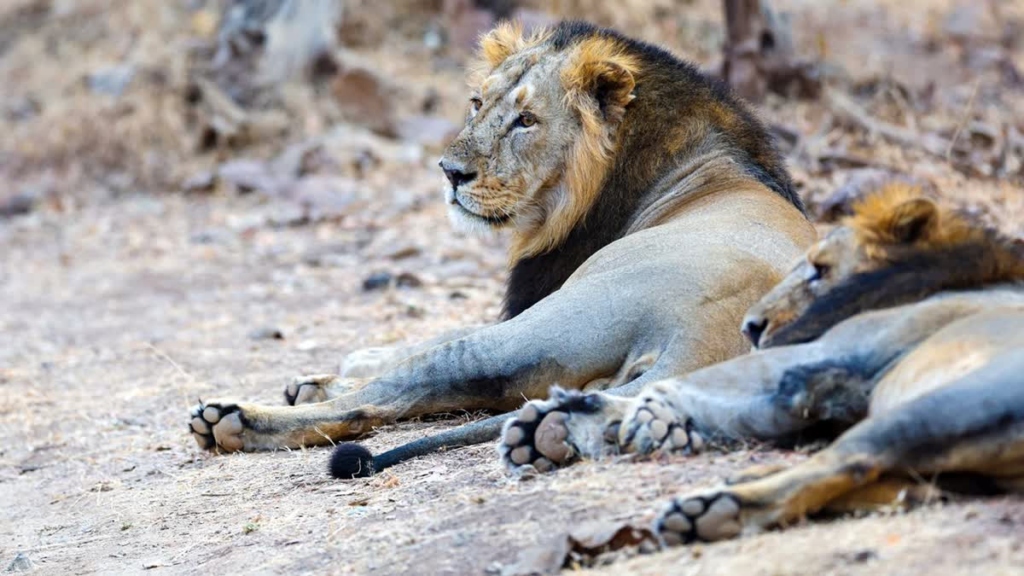
- The Rescue and Isolation Loop: Following intensive tracking maneuvers, 10 symptomatic lions showing signs of physical weakness or lethargy have been successfully rescued from the wild. They are currently placed under close clinical observation and treatment at a localized veterinary facility.
- Ecosystem Tick Management: Specialized field teams are deploying targeted anti-parasitic measures within high-transit lion corridors, actively working to suppress tick infestations among wild populations and secondary prey animals.
- Continuous Sample Collection: Wildlife trackers are collecting blood and tissue samples from all surrounding prides in the affected ranges, establishing a real-time health database to capture hidden infection curves before they escalate.
2. Long-Horizon Safeguards: Project Lion and Barda Sanctuary
The way India is handling this health scare with the Asiatic lions is very important. The Asiatic lion population is doing really well. It went from 674 in 2020 to 891 lions in the 2025 census. This is a deal.. Now that the Asiatic lions are moving out of their main home and into other areas like Amreli and Bhavnagar it is harder to keep track of diseases that might affect the Asiatic lions.
To prevent an outbreak that could hurt all the Asiatic lions the government has started a big project called Project Lion. It will cost ₹2,900 crore. One of the things this project will do is create a new home for some of the Asiatic lions outside of the Gir area. Now people are working on the Barda Wildlife Sanctuary in Porbandar district to make it a good place for the Asiatic lions to live. By having the lions in different places and having a special center to help sick animals India is trying to make sure the Asiatic lions will be safe for a long time.
Controlled Calculations Over Panic
When an Asiatic lion dies it is very sad for people who care about animals.. We should look at the big picture. The Gir area is a place for the Asiatic lions to live and sometimes they fight with each other or the babies do not survive. This is how it is in nature.
The people in charge of the animals acted fast when they found out some of the lions were sick. They kept the Asiatic lions away from the others and did everything they could to prevent the disease from spreading. The situation is under control. This shows that even though the Asiatic lions have to deal with some problems, the people who are supposed to protect them are doing a good job. You can find out more about what’s happening with the Asiatic lions by checking your local news, about the environment.