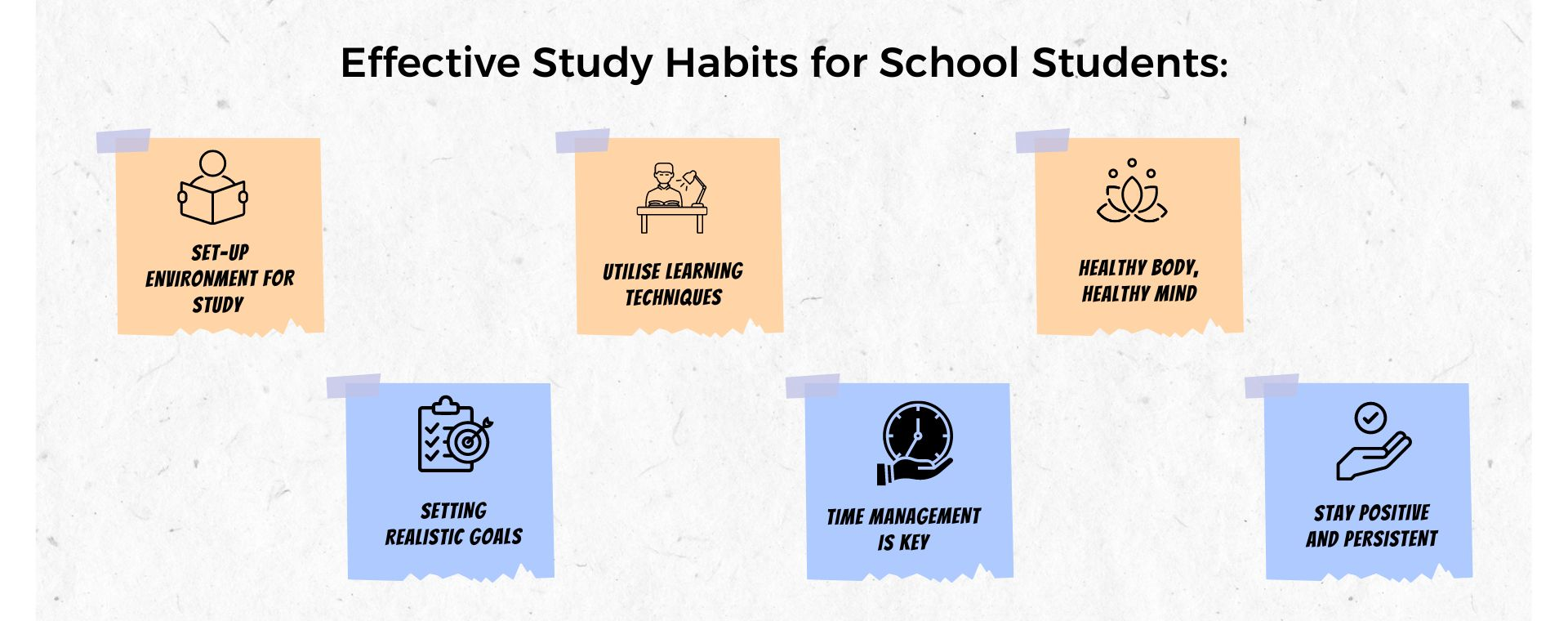
The school environment in 2026 is really different. Students need to change how they study. Classrooms are not just classrooms anymore. There are so many things on the internet that can distract you. Just memorizing things is not enough anymore. For students who want to do well in school and pass their exams, having good study habits is very important.
A lot of students think they are studying well. They are not really learning anything. They spend hours reading their books and highlighting things. When it is time for a big exam, they cannot remember anything. Doing well in school is not about how many hours you spend studying; it is about how well you use your time. If you change the way you study and fix the things that are not working, you can avoid getting tired of studying and be able to do your best.
1. Active Recall: Shifting from Passive to Active Learning
The important thing for students to do is to use active recall. When you just read your book or listen to a teacher, your brain is not really working. When you try to remember things on your own, your brain has to work hard, and that helps you learn.
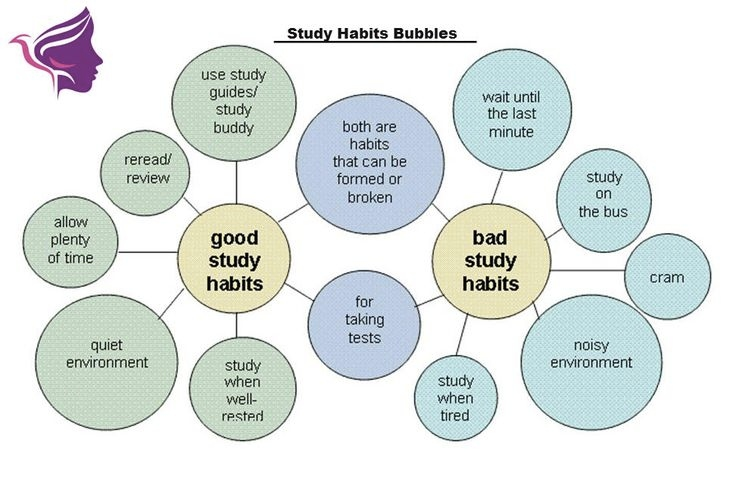
- The Flashcard Strategy: Do not just read a page. Then move on. Write down questions on one side of a card and the answers on the other side. Then test yourself to see if you can remember the answers.
- The Feynman Technique: Try to explain something like how plants grow or a math problem to a kid. If you have trouble explaining it, then you do not really understand it. You need to study it some more.
- The Closed-Book Method: After you read a chapter in your book, close the book. Try to remember everything you just read. Write down all the facts and important things you can remember and then open the book again to check if you got them right.
2. Spaced Repetition: Beating the Forgetting Curve
Our memory works in a simple way. It is called the “Forgetting Curve.” When you learn something, you will probably forget up to 80% of it in just 48 hours. If you review it again and again, you can stop this from happening.
The Spaced Repetition Calendar Blueprint
| Review Session | Timing Interval | Objective | Recommended Method |
|---|---|---|---|
| Initial Learning | Day 0 | Understand the core concept. | Mind mapping and active note-taking. |
| First Review | Day 1 (After 24 Hours) | Interrupt the immediate memory drop. | High-speed active recall quiz. |
| Second Review | Day 3 | Solidify the core structural facts. | Flashcard execution or formula drill. |
| Third Review | Day 7 | Move information to midterm storage. | Solving past-year question papers. |
| Fourth Review | Day 21 | Lock the concept into long-term memory. | Teaching the topic to a peer group. |
3. Digital Hygiene and Streamlined Academic Administration
In schools today, everything is digital. This can be really confusing for students. They have to worry about losing papers, like hall tickets, or forgetting to pay fees on time. All these little things can make it hard for them to focus on their studies. Having a system to keep all your papers in order can really help.
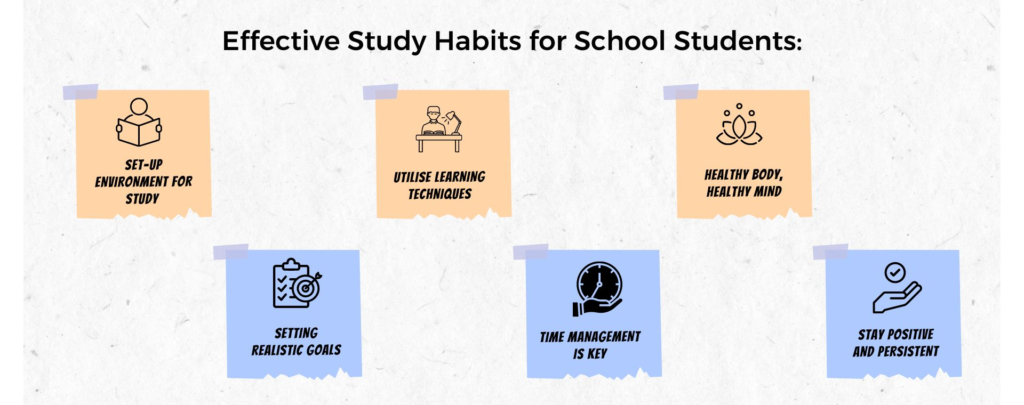
- Verified Document Vaulting: Lots of students have to deal with a lot of paperwork. This includes things like admit cards for exams and certificates for talents. If you keep all these papers digital in a place like DigiLocker, you can always find them when you need them. You will not have to worry about losing them or making a mess.
- Identity Verification for Entrance Portals: When you are signing up for things like school competitions or exams, you need to make sure your information is safe. You should link your contact details to your government ID so you can verify who you are easily.
- Dedicated Education Budgeting: It is also an idea to keep track of how much you are spending on things like extra study materials or tutoring. You can do this by using a bank account just for school expenses. This way you can see how much you are spending on school things and how much you are spending on other things.
- Paperless Registration via e-Aadhaar: When you are signing up for things, like libraries or online tutoring, you can use your e-Aadhaar to verify who you are. This is an easy way to do it, and you will not have to wait for papers to be processed.
4. The Pomodoro Protocol: Managing Cognitive Endurance
Studying for five hours without taking a break is not an idea. The human brain can only focus for 25 to 30 minutes before it gets tired. So it is an idea to study in short intervals.
During these 25 minutes, you should put your phone away. Turn it off. This helps you focus on one thing at a time. When the time is up, get up from your desk. Take a break. Do not look at another screen during your five-minute break. Instead, get some fresh air. This helps your brain get ready for the study session.
5. Environment Engineering: Designing a Sanctuary for Focus
Where you study is important. If you try to study in bed, your brain gets confused about whether you’re working or sleeping. This makes it hard to focus. So it is an idea to have a special place to study.
The Focused Desk Checklist
The Deep Work Space Protocol:
- The Clean Surface Rule: Keep only the textbook, notebook, and stationery needed for your current task on your desk. Clear away everything else.
- Ergonomic Alignment: Use a sturdy chair that supports your back, and keep your study materials at a comfortable eye level to avoid neck strain.
- Chromotherapy Elements: Introduce a small indoor green plant or maximize access to natural daytime lighting to lower stress hormones and naturally improve alertness.
6. Comparing Learning Approaches: Passive Study vs. Cognitive Mastery
| Study Attribute | The Passive Approach (Low Retention) | The Savvy Mastery Approach (High Grades) |
|---|---|---|
| Textbook Reading | Skimming pages while underlining with colorful markers. | Reading a section, closing the book, and summarizing aloud. |
| Exam Preparation | Pulling a stressful all-nighter right before the test. | Gradual review using a structured spaced repetition timeline. |
| Handling Mistakes | Ignoring wrong answers in practice tests out of frustration. | Maintaining a dedicated “Error Log” to analyze and fix weak points. |
| File Management | Shuffling through piles of loose physical worksheets. | Archiving vital certificates cleanly using paperless DigiLocker vaults. |
7. The “Error Log” Routine: Transforming Failures into Growth
The best students do not get upset when they make mistakes. Instead, they try to learn from them. They go over their mistakes. Figure out what they did wrong.
Create a notebook called your “Error Log.” Write down the subject, the mistake you made, what you did wrong, and how to fix it. Looking at this notebook before a test can help you remember what you learned. This can give you a lot of confidence when you take the test.
FAQs: Academic Success Secrets
What is the single best study habit for school students?
Active recall combined with spaced repetition is the absolute gold standard. Forcing your brain to actively retrieve information at spaced intervals entirely eliminates the habit of cramming and ensures long-term memory retention.
Can digital vaults like DigiLocker improve a student’s focus?
Absolutely. Administrative clutter causes subconscious stress. By organizing and securing your report cards, scholarships, and exam hall tickets in DigiLocker, you eliminate document-loss panic and free up valuable mental energy for actual learning.
How do I stop overthinking and anxiety right before an exam?
Use the “brain dump” technique. Spend five minutes writing down every single one of your worries on a scrap piece of paper before tearing it up. This simple trick clears your short-term mental workspace, allowing your mind to focus purely on executing your exam strategy.
Why should students use a zero-balance bank account for educational needs?
A dedicated zero-balance bank account serves as an excellent financial organization tool. It allows students to manage their personal scholarship payouts, book allowances, and exam registration fees distinctly without the burden of maintaining high minimum balances.
Rebooting Your Academic Journey
Cultivating the best study habits for school students is a rewarding journey toward self-mastery. In our current digital age, we have an array of incredible tools—from smart productivity apps to secure, paperless Aadhaar-linked verification networks—that help us organize our lives efficiently. However, true academic success still rests on the foundation of structured, daily self-discipline.
Don’t wait for the high stress of finals week to trigger a sudden change in your daily routine. Clear out the physical and digital clutter by archiving your key documents in DigiLocker, pick up an active flashcard set, build your personal error log, and take pride in transforming your daily study desk into a sanctuary of true growth.