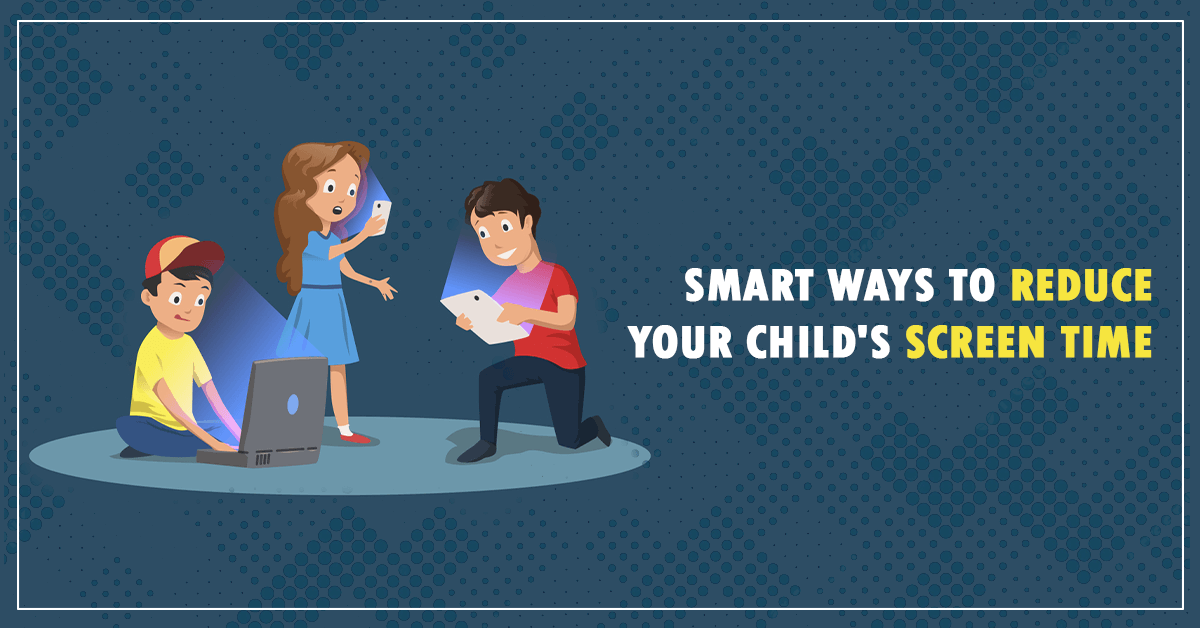
The household we live in today is full of screens that glow. We see them in classrooms and video games, and we watch short videos on our phones all the time. Digital media is a part of growing up now. Technology can be very helpful for learning. Using it too much has become a big problem for parents all around the world. Figuring out how to limit the time children spend in front of screens has become very important for their health.
When children use devices a lot, they can start to act strange. They might have trouble paying attention, sleep at times, and not play outside as much. But taking away their devices at once is not the answer. This can cause problems at home. Instead, parents should set rules about device use that are easy to follow and that help children do more things that are active. Let us look at some ways that parents can help their children use devices in a healthy way.
1. The Power of Modeling: Becoming a Digital Mirror
Children do what they see, not what they are told. So the first step to limiting screen time is for parents to look at how they use devices themselves.
- The “Device Drop” Ritual: When you get home from work, do not use your device for one hour. Put your phone in a place to charge so your child sees that you are paying attention to them, not your phone.
- End the Infinite Scroll: Do not keep the TV on when you are talking to your child or doing chores. This can make it hard for them to focus. Can make them think they always need to be watching a screen.
- Mindful Communication: If you need to check your email in front of your child, tell them what you are doing. You can say, “I need to answer this email for work and then I will put my phone away and play with you.” This helps them understand that devices are tools, not things we always need to have with us. Digital media is a part of our lives, and we need to use it in a way that is healthy for our children. By being examples and setting rules, parents can help their children use devices in a way that is good for them.
2. Structural Space Engineering: Designing Screen-Free Sanctuaries
Modifying the layout of your home is a really good way to stop relying on devices so much. If devices are everywhere, it is hard for a young mind to control itself.
The Screen-Free Zone Blueprint
| Household Zone | Structural Design Rule | Behavioral Outcome |
|---|---|---|
| The Dining Table | Absolutely no smartphones, tablets, or televisions allowed during meals. | Fosters family conversation, mindful eating habits, and shared connection. |
| Children’s Bedrooms | All screens, including gaming rigs and tablets, must be kept out of bedrooms overnight. | Eliminates late-night blue-light exposure; reverses chronic sleep disruptions. |
| The Central Charging Hub | Establish a specific charging station located in a common living area. | Devices go to “sleep” at a fixed hour, preventing stealth browsing under blankets. |
3. Digital Identity Governance: Streamlining Family Administration
In today’s world, where everyone is connected, managing a family is like running a business. You need a system to keep everything organized. If you move all your family’s information to digital files, you can actually spend less time looking at screens to plan things. This means you can give your kids your attention.

- Verified Academic and Health Archiving: Keep your child’s vaccination cards, school report cards, and identity certificates in a digital place like DigiLocker. This way you can easily access all these documents without having to search through a lot of papers.
- Identity Verification for Extracurriculars: When you sign your kids up for sports or music lessons, you often need to prove who you are. Make sure your phone number is linked to your government ID so you can quickly verify your identity when you are signing up online.
- Dedicated Activity Budgeting: To keep track of how much you spend on things, like sports gear or summer camps, consider using a bank account. This way you can keep track of how much you spend on these things without getting it mixed up with your bills.
- Paperless Services Onboarding: When you hire a swimming coach or sports tutor, you can use a paperless verification system to sign up. This makes the process faster and easier so you can get your kid started with their activities right away.
4. Age-Appropriate Screen Limits: The Balance Matrix
Understanding how parents can reduce children’s screen time requires a tailored approach based on developmental milestones. What works for a toddler will trigger a total rebellion in a teenager.
The Screen Allowance Framework
The Pediatric Digital Guidelines:
- Under 2 Years: Zero passive screen time allowed. Cognitive development at this stage requires direct tactile “handshakes” with physical objects and human faces.
- 2 to 5 Years: Maximum of 1 hour of high-quality, co-viewed educational programming per day. Parents should actively discuss the content to prevent a passive brain lag.
- 6 to 12 Years: Consistent, well-negotiated boundaries that leave clear room for physical outdoor activity (60 minutes daily) and non-digital social interactions.
5. Crafting High-Engagement Alternatives: Breaking the Boredom Loop
Children often turn to screens because it is easy to get excited about them. To get them to stop using screens so much, we need to find something else that is really fun for them to do.
We should buy things like blocks, puzzles, and musical instruments that let children use their imagination. If we set up a place for them to be creative, like a table where they can draw or build things, they will have a place to go and play on their own. We should also take them on walks. To play sports on the weekends so they can get some exercise and fresh air.
6. Comparing Parenting Approaches: Reactive vs. Proactive Digital Hygiene
| Aspect of Routine | The Reactive Approach (High Screen Stress) | The Proactive Approach (Curated Wellness) |
|---|---|---|
| Boundary Enforcement | Yelling to turn off devices when a “system hang” occurs. | Using pre-set, automated app timers that gracefully signal cut-off times. |
| Transition Management | Abruptly snatching the tablet away mid-game. | Giving a gentle 10-minute warning: “When this timer rings, we transition to dinner.” |
| Reward Systems | Using extra screen time as a primary bribe for good behavior. | Using shared real-world experiences, like a trip to the zoo, as milestones. |
| Content Monitoring | Allowing unverified algorithmic “discovery” feeds to play out. | Pre-downloading curated, high-quality human-written educational series. |
FAQs: Mastering Screen Time Management
What is the fastest way for parents to reduce children’s screen time?
The most immediate “quick fix” is establishing a strict “no screens during meals” policy. This single environmental adjustment removes devices from a major daily transition window, instantly opening up time for face-to-face family connection.
How can digital vaults like DigiLocker assist in digital parenting?
Administrative clutter frequently keeps parents glued to their laptops. By digitizing and securing your children’s medical histories, birth certificates, and school files in DigiLocker, you can manage family administration seamlessly and spend less time managing physical paperwork.
My child throws a tantrum when I take the tablet away. How do I fix it?
Tantrums happen because the brain experiences a sudden drop in dopamine. To resolve this, avoid abrupt transitions. Give clear warnings before screen time ends and smoothly redirect their attention to a fun, hands-on activity like cooking together or drawing.
What is co-viewing, and why is it recommended?
Co-viewing means sitting down and watching a screen with your child. Instead of letting them absorb content passively, ask interactive questions like, “What do you think that character will do next?” This turns a passive screen experience into an active learning opportunity.
Empowering Your Family’s Future
It is really great when parents can help their children stop using screens so much. It helps them live life in a meaningful way. We have a lot of tools that can help us, like software that can control how much time our children spend on devices. We have to remember that these tools should help us spend more time with our children, not less.
If we want our children to be good at not using screens much, we need to be consistent and set clear rules. We should not wait until they are having problems to make a change. We should get rid of things that are distracting us from our children, like many videos or games, and find other things to do together, like reading a book or playing a game outside. We should be proud of ourselves for helping our children live an active and healthy life.