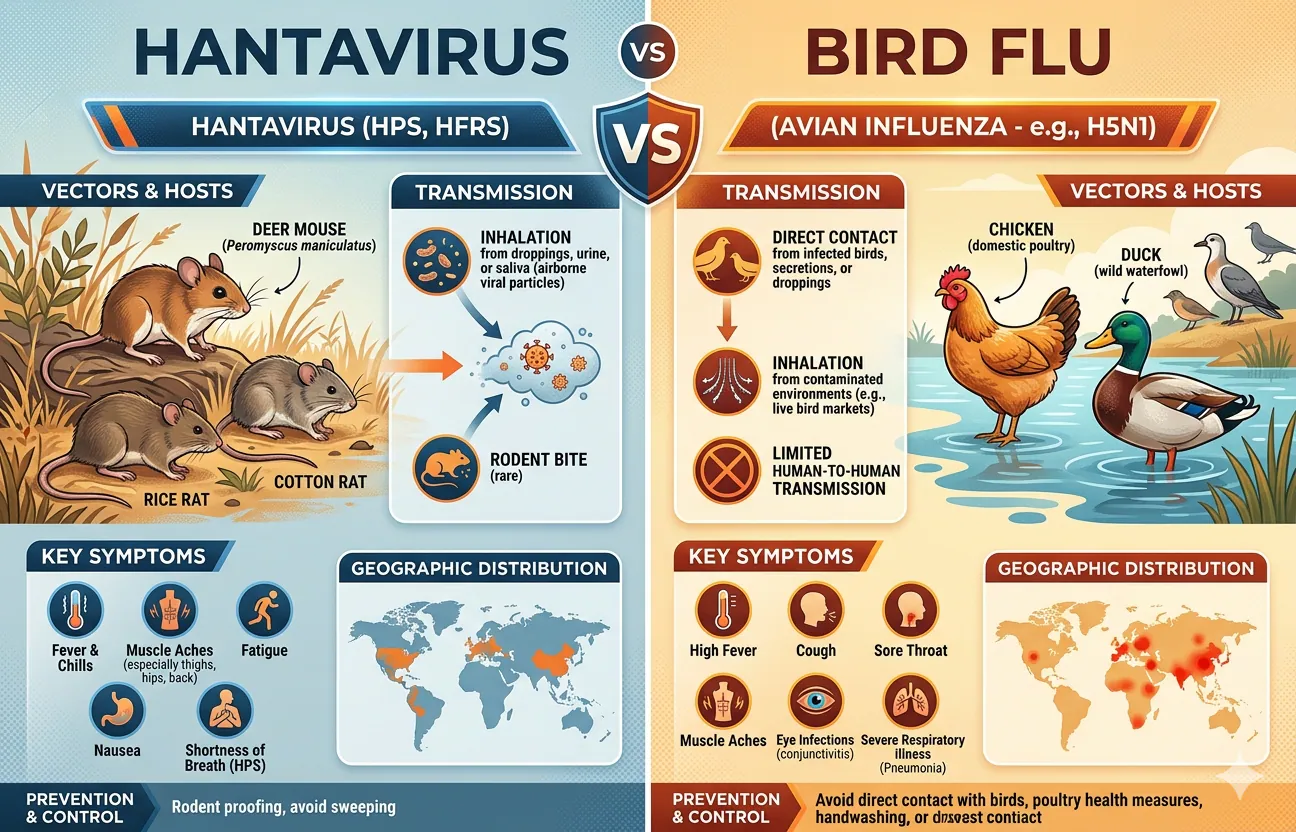
Right now, public health feels like a minefield. Hantavirus and bird flu are grabbing all the headlines—they both come from animals and make their way into humans, but they work in pretty different ways.
So, which one spreads faster among people? It’s not a simple answer. It really depends on where you are, what kind of animals are around, and which strain of the virus you’re dealing with.
Let’s dig into how these viruses move from animals to humans, what makes each one risky, and how they sometimes go unnoticed until it’s too late. This guide will help you get a handle on their tricks, so you know what to watch for and how to stay ahead.
1. Transmission Dynamics: Hantavirus vs Bird Flu
To figure out which virus spreads faster, you really need to look at two things: the R0 (that’s the basic reproduction number, basically how many people one infected person will likely infect), and how often humans run into the animals carrying the virus.
Bird Flu (H5N1 and Variants)
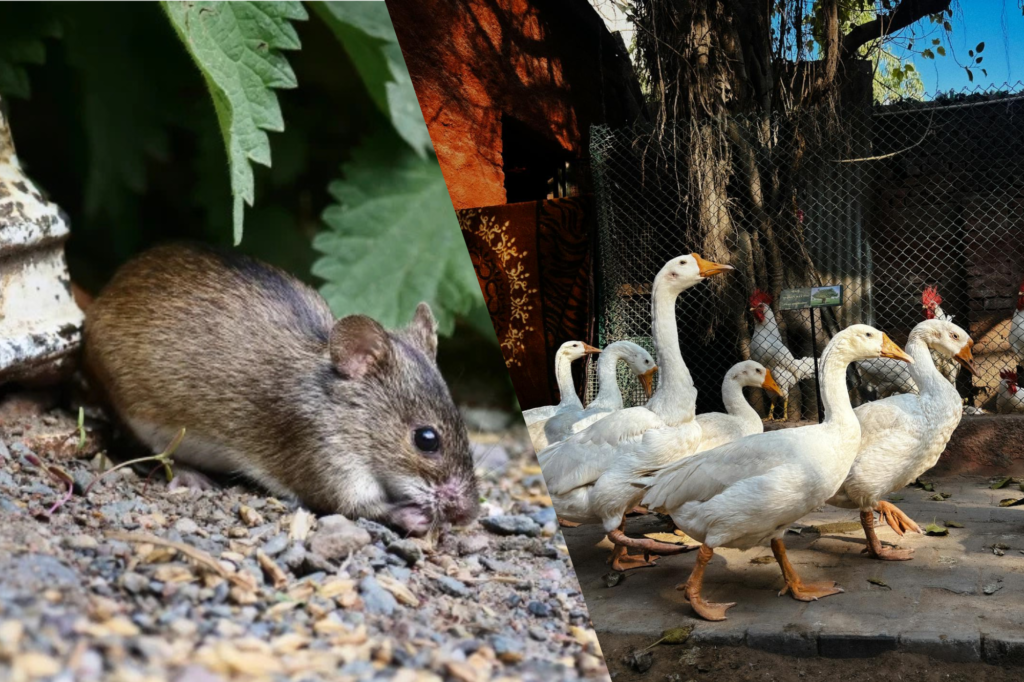
Bird Flu (H5N1 and its variants) mostly targets domestic poultry and wild birds. People usually get sick from it after touching infected birds or surfaces they’ve contaminated. Since poultry is everywhere and wild birds fly all over the place, spillover events—where the virus jumps to humans—happen pretty often and in lots of different places.
Hantavirus
Hantavirus is a different story. Rodents like deer mice or rice rats carry it, and humans get infected by breathing in dust that’s laced with their urine, droppings, or saliva. Unlike Bird Flu, Hantavirus almost never moves between humans (though there’ve been rare outbreaks in South America). So when it pops up, the cases are usually more isolated and slower to spread from person to person.
2. Speed of Onset and Severity
A critical factor in the Hantavirus vs Bird Flu debate is how quickly an infection turns into a medical emergency. While Bird Flu often presents as a rapid respiratory illness, Hantavirus is known for its “stealth” onset.
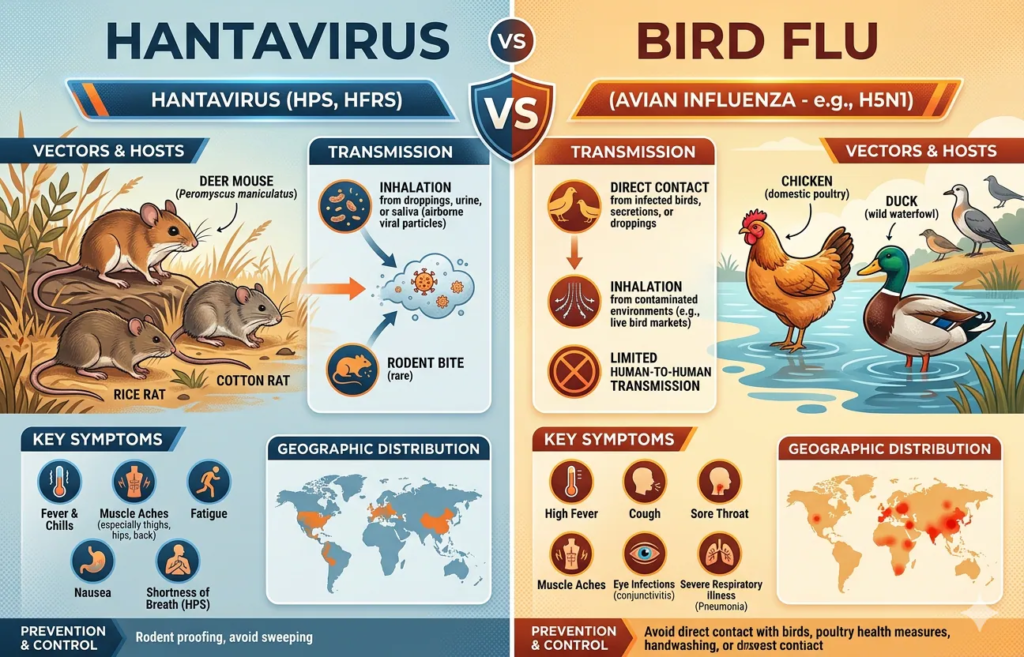
- Bird Flu Speed: Bird Flu moves fast. Symptoms show up just a couple of days after you’re exposed—usually 2 to 5 days. And it doesn’t mess around; it can quickly cause severe pneumonia and even trigger multi-organ failure.
- Hantavirus Speed:
Hantavirus takes its time. People might not feel sick for one to eight weeks after they come into contact with infected rodents. One pulmonologist from Delhi NCR called it an “odd infection,” because the initial fever might seem harmless, and at that point, patients have usually forgotten they even got near a rodent. Then, all of a sudden, it can turn into a life-threatening crisis in the lungs.
3. Comparison of Infection Characteristics
To better visualize the differences, let’s look at the data through a detailed comparative lens.
Viral Comparison Matrix (2026 Data)
| Characteristic | Hantavirus | Bird Flu (H5N1) |
|---|---|---|
| Primary Vector | Rodents (Mice, Rats) | Birds (Poultry, Waterfowl) |
| Spread Intensity | Low (Localized/Environmental) | High (Migratory/Global) |
| Incubation Time | 1 to 8 Weeks | 2 to 5 Days |
| Human-to-Human | Extremely Rare | Potential for Pandemic |
| Primary Symptom | Severe Lung Fluid (HPS) | Severe Respiratory Distress |
| Fatality Rate | Very High (~38%) | High (Varies by Strain) |
4. Digital Health and Security in 2026
In an era of emerging viral threats, your digital identity is your first line of defense in the healthcare system. Rapid response requires immediate access to verified medical data.
- Verified Records: Use DigiLocker to store your past respiratory health records and vaccination history. This allows pulmonologists to differentiate between a chronic condition and a new viral infection like Hantavirus.
- Identity Linkage: Ensure your mobile number is linked to your Aadhaar. This is critical for receiving digital test results and verifying your identity at hospitals through paperless e-Aadhaar systems.
- Financial Buffers: Managing an unexpected medical emergency often requires immediate funds. Many individuals in 2026 maintain a zero balance bank account specifically for emergency health savings. This ensures that “simple fevers” don’t become financial crises.
5. Prevention: The “Quick Fix” Guide
To mitigate the risk of these infections, follow these environmental and behavioral protocols:
Safety Protocols for 2026
| Action Plan | For Bird Flu Prevention | For Hantavirus Prevention |
|---|---|---|
| Hygiene | Avoid live bird markets and wash hands after handling raw poultry. | Use a disinfectant spray on rodent droppings before cleaning to prevent dust. |
| Environment | Ensure poultry products are cooked to 74°C. | Seal gaps in your home to prevent rodent entry. |
| Protection | Wear masks in high-risk agricultural areas. | Use N95 masks when cleaning garages or basements. |
| Verification | Monitor official health alerts via verified portals. | Keep emergency contacts and health IDs ready in DigiLocker. |
6. Why “Simple Fevers” Are Dangerous
As the Delhi NCR pulmonologist warned, Hantavirus makes a “simple fever” a medical emergency. When the body begins to react to the viral buildup, the lungs can fill with fluid with terrifying speed.
Expert Note: If you have been in contact with rodents or cleaned a dusty area and develop a fever weeks later, do not ignore it. Seek medical attention and explicitly mention the exposure.
FAQs: Hantavirus vs Bird Flu
Which virus is more likely to cause a pandemic?
Bird Flu is considered a much higher pandemic risk because it has the potential to mutate for efficient human-to-human transmission. Hantavirus remains a significant but largely “dead-end” infection in humans.
Is there a vaccine for Hantavirus?
Currently, there is no widely available, FDA-approved vaccine for Hantavirus in 2026. Prevention through rodent control is the only effective strategy.
How do I verify my Aadhaar for hospital admission?
Most hospitals in 2026 use a paperless verification system. You can present your e-Aadhaar via the m-Aadhaar app or DigiLocker. Ensure your mobile number is linked to receive the verification OTP.
Can a zero balance bank account handle emergency payments?
Yes, zero balance bank accounts are fully functional for UPI and IMPS transactions. They are an excellent way to keep “emergency only” funds without the hassle of maintaining a high minimum balance.
Awareness is the Best Defense
In the battle of Hantavirus vs Bird Flu, Bird Flu may spread “faster” across populations due to migratory birds and human-to-human potential. However, Hantavirus is the “faster” medical emergency once symptoms appear, rapidly progressing from a fever to respiratory failure.
By maintaining a clean environment, using digital tools like DigiLocker for health records, and ensuring your Aadhaar-linked services are ready, you can navigate these viral threats with confidence in 2026.