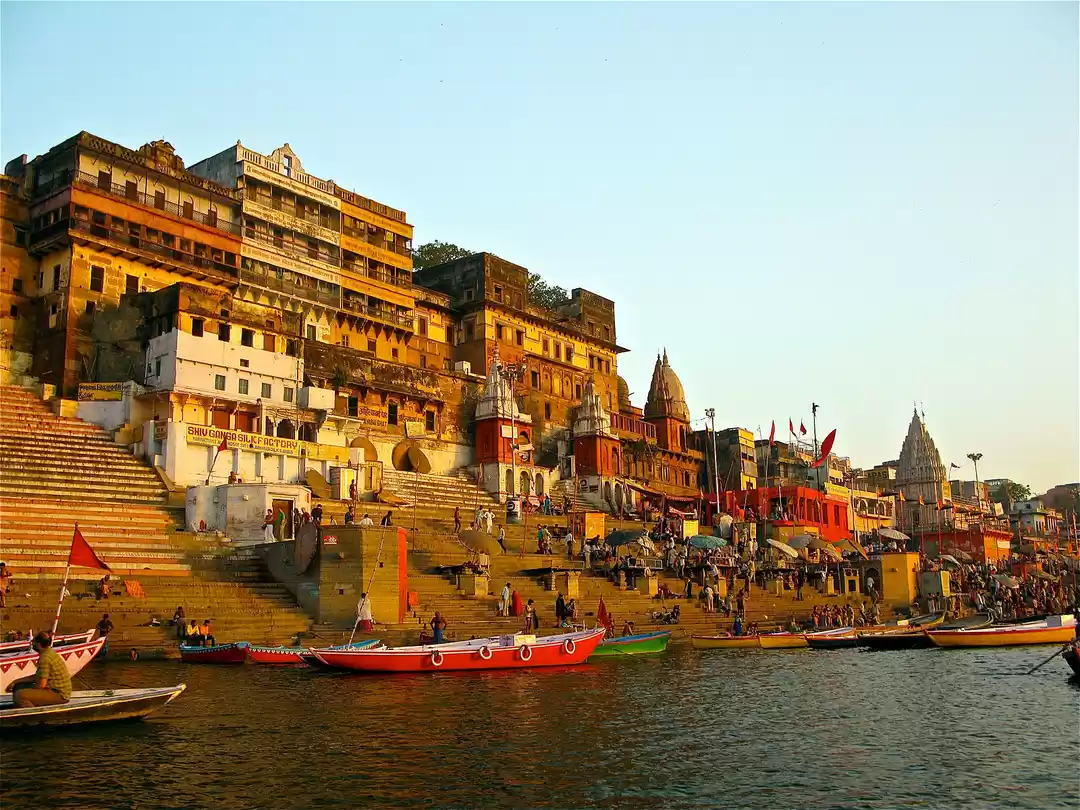
Travel as a lavish, expensive endeavor restricted only to the elite class has finally been laid to rest. By 2026, with the emergence of sharing economy, efficient transportation, and modern digital traveling aids, venturing into the unknown has never been easier. Whether you are a vacationing student or someone looking for a break from their hectic work routine, being able to plan a vacation costing no more than ₹5000 becomes increasingly important.
Planning travel within a tight budget does not necessarily mean sacrificing on the essence of travel but rather exchanging it for something far more authentic. Right from the mystical Himalayas in the North to the spiritual ghats in the East, India is filled with possibilities for the ‘five-thousand-rupee explorer.’
1. The Foundation: Picking the Right Destination
Geography is the key when it comes to learning how to plan a trip within ₹5000. For instance, planning a trip to Manali from Mumbai isn’t feasible within such a budget since the transport fare would be too high. However, traveling to places like Lonavala and Matheran can be easily achieved with this budget limit.
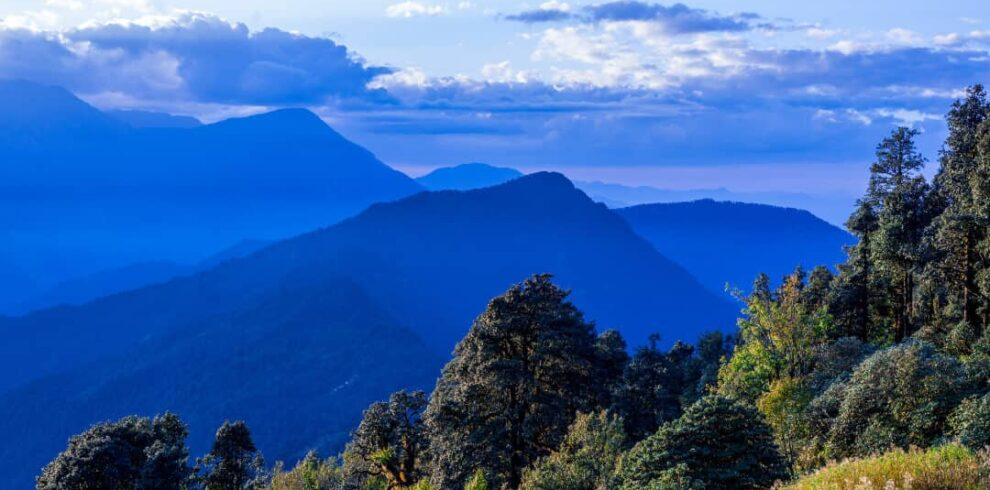
Top Regional Budget Picks for 2026:
- From Delhi: Rishikesh, Lansdowne, or Kasol.
- From Mumbai: Gokarna (via sleeper train), Mahabaleshwar, or Alibaug.
- From Bangalore: Coorg, Hampi, or Pondicherry.
- From Kolkata: Darjeeling (via NJP sleeper), Digha, or Shantiniketan.
2. Transport: The “Sleeper Class” Strategy
Since 40 percent of the travel budget goes to transportation, one must learn to use the available public infrastructure.
- Indian Railways: The sleeper class (SL) has always been a reliable choice for budget travelers. On average, traveling 500km costs between ₹350 and ₹550. It is recommended that you use the IRCTC mobile application to get seats at least 20 days ahead.
- State Transport (ST) Buses: While private Volvos are tempting, state-run “Ordinary” or “Express” buses cost a fraction of the price and offer a more local experience.
- The “Rule of Threes”: Though Volvos might appear appealing, state “Ordinary” and “Express” buses are much cheaper alternatives.
3. Accommodation: Beds, Not Rooms
“The Rule of Threes”: Always follow the “Rule of Threes” for local travel – walk for distances less than 2km, ride shared autos for 2–5km, and take local buses or metro services beyond.
Comparison of Budget Stays
| Option A: Hostels | Option B: Homestays | Option C: Religious Stays | |
|---|---|---|---|
| Vibe | Social & Modern | Authentic & Local | Peaceful & Basic |
| Typical Cost | ₹500 – ₹800 / Night | ₹800 – ₹1200 / Night | ₹0 – ₹300 / Night |
| Best For | Solo Travelers | Couples/Foodies | Spiritual Seekers |
| Top Platforms | Zostel / Hosteller | Local Inquiries | Walk-ins (Dharamshalas) |
4. Food: The “Dhaba” and Street Food Diet
You can eat like a king in India for less than ₹500 a day if you know where to look.
- Dhabas over Cafes: Highway dhabas or local “Bhojanalayas” offer filling Thalis (Unlimited rice, dal, and roti) for ₹120–₹180.
- Street Food Dinner: Exploring the local street food scene is not just a budget tip; it’s a cultural experience. Two plates of local snacks usually cost less than ₹100.
- Carry Snacks: Always have a pack of biscuits, nuts, or fruit in your bag. This prevents “hunger-induced” expensive impulse buys at tourist spots.
5. The Digital Advantage: Zero Fees and Digital IDs
Managing your digital footprint can save you hundreds of rupees in 2026.
- Digital Identity: Use your e-Aadhaar or DigiLocker for seamless hotel check-ins. This avoids the need for physical photocopies, which often cost ₹10–₹20 per page in tourist towns.
- UPI for Everything: In 2026, even the smallest tea stall in the mountains accepts UPI. Using apps like Google Pay or PhonePe helps you track every single rupee spent, ensuring you stay within your ₹5000 limit. +1
- Smart Banking: If you are a frequent traveler, consider using a zero balance bank account for your travel funds. This keeps your main savings separate and ensures you don’t pay any monthly maintenance fees while your travel fund sits idle.
6. Sample 3-Day Itinerary: Rishikesh (Under ₹5000)
Here is a practical breakdown of how to plan a trip under ₹5000 for a 3-day spiritual adventure.
Expense Item Estimated Cost Train (Delhi to Haridwar Sleeper Return) ₹450 Bus/Auto (Haridwar to Rishikesh Return) ₹150 Hostel (2 Nights in a Dormitory) ₹1,200 Food (3 Days – Dhabas & Street Food) ₹1,500 Local Sightseeing & Entry Fees ₹500 Emergency Buffer / Miscellaneous ₹1,200 TOTAL ₹5,000
7. Strategic Savings Matrix
Use this matrix to prioritize your spending during the trip.
| Don’t Skimp (Spend Here) | Cut Corners (Save Here) |
|---|---|
| Safety: Well-rated hostels. | Souvenirs: Take photos, not items. |
| Data: A good 5G plan for maps. | Luxury: Avoid AC coaches/taxis. |
| Hydration: Clean RO water. | Guides: Use Wikipedia/Free blogs. |
FAQs: How to Plan a Trip Under ₹5000
Is it safe to stay in ₹500 hostels?
Yes, in 2026, most reputable hostel chains have strict security, CCTV, and female-only dorms. Always check reviews on platforms like TripAdvisor or Booking.com before paying.
How can I save on entry fees for monuments?
Most monuments managed by the ASI offer a discount if you scan the QR code at the entrance and pay via UPI instead of buying a physical ticket at the counter. Always keep your e-Aadhaar ready for verification.
Can I link my Aadhaar with my mobile number online for travel?
To link or update your mobile number in your Aadhaar, you must visit an Aadhaar Seva Kendra for biometric verification. This is essential for receiving OTPs while booking trains or checking into hotels during your trip. +1
What if I run out of cash in a remote area?
In 2026, cash is rarely the only option. Almost every vendor accepts UPI. However, as a backup, ensure your banking app is active on your phone and you know how to check your balance without internet if the signal is weak in the mountains.
The Verdict: Experience Over Luxury
Mastering how to plan a trip under ₹5000 is about shifting your perspective. When you stop looking for the best hotel and start looking for the best view, the best local meal, and the best conversation, you realize that the most valuable travel experiences often cost the least. Pack light, keep your digital ID ready, and start exploring—the road is waiting.