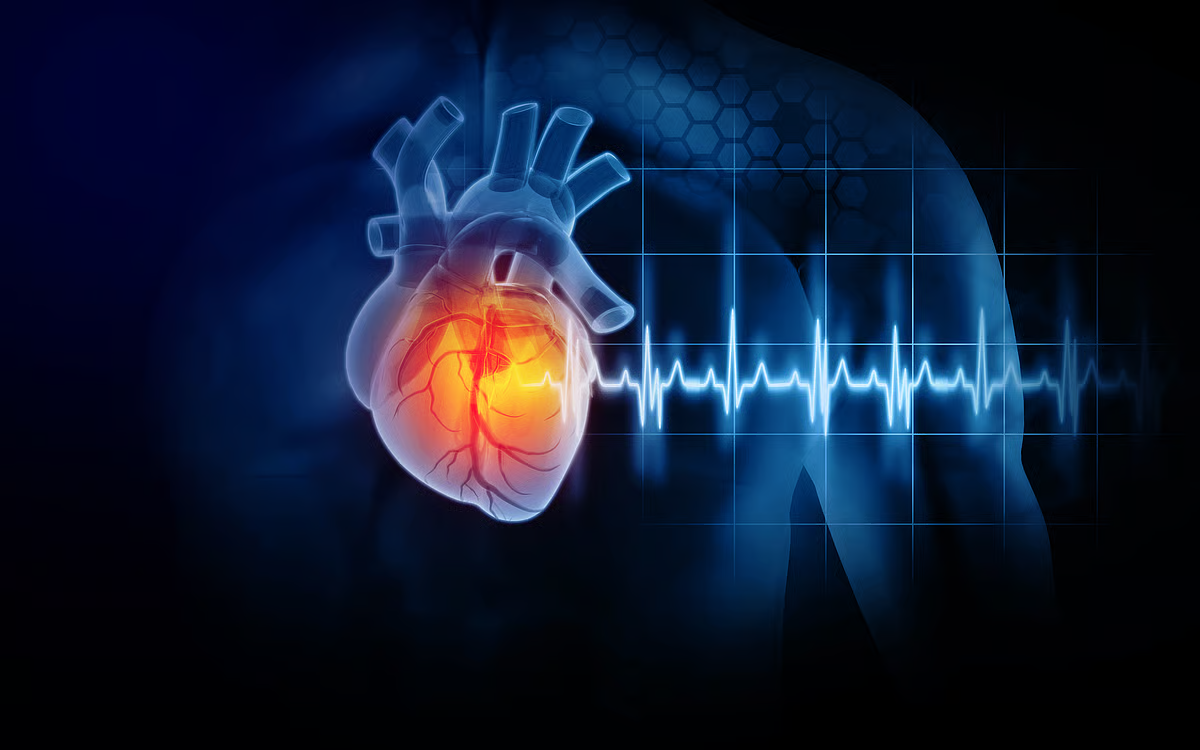
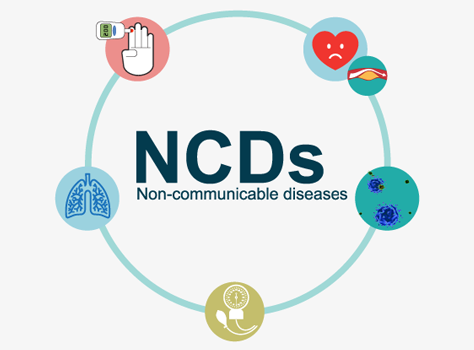
India is facing a silent emergency. According to the recently released sixth edition of the Apollo Health of the Nation 2026 (HoN 2026) report, the country is no longer just the “diabetes capital” but is rapidly becoming the epicenter of early-onset chronic conditions. The data is staggering: two in three young adults in India are currently at risk of Non-Communicable Diseases (NCDs).
Non-communicable diseases—which include diabetes, hypertension, cardiovascular issues, and cancer—were once considered “old age” problems. However, in 2026, these silent threats are arriving nearly a decade earlier in Indians compared to their Western counterparts. From the IT hubs of Bengaluru to the industrial centers of Gujarat, the Indian workforce is sitting on a metabolic time bomb.
The Silent Threat: Prediabetes and the Working Population
The most significant finding regarding the NCD risk in young Indians is the prevalence of prediabetes. The report, which analyzed over three million preventive health assessments conducted in 2025, found that nearly one in five individuals under the age of 30 is already prediabetic.
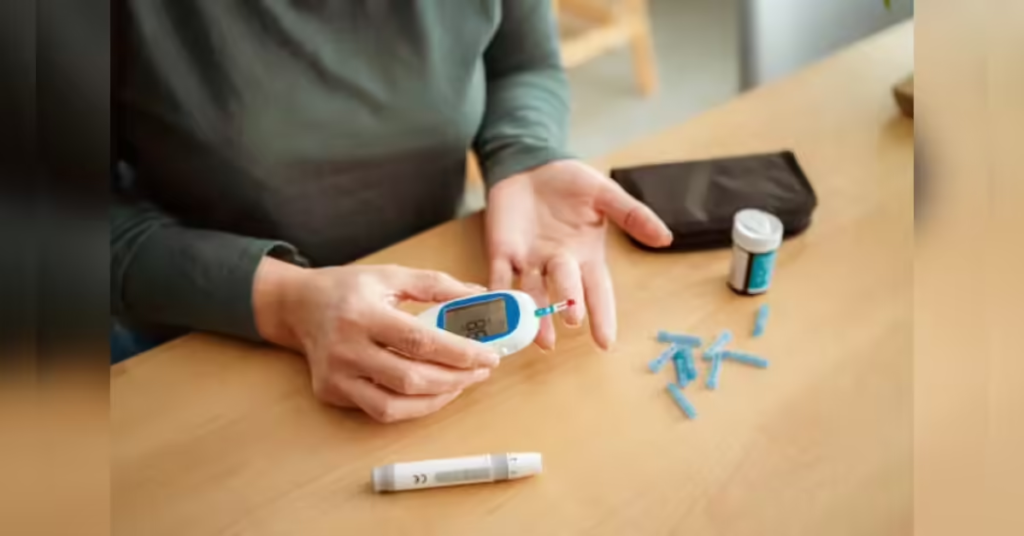
Even more concerning is the state of India’s productive workforce. Among professionals with an average age of 38:
- 8 in 10 are overweight.
- Nearly half have prediabetes or diabetes.
- 1 in 4 suffers from high blood pressure.
This isn’t just a health crisis; it’s an economic one. As Dr. Prathap C. Reddy, Founder Chairman of Apollo Hospitals, noted, “The true strength of a nation depends on the well-being of its people.” In 2026, that strength is being hollowed out by metabolic disorders before they are even clinically recognized.
The “Vibe” Shift: Why Young Indians are More Vulnerable
The NCD risk in young Indians isn’t just about genes; it’s about a lifestyle mismatch. In a world of “Software-Defined” convenience, physical activity has hit an all-time low.
The 2026 report highlights a “Fitness Gap” that is deeply troubling. Nearly two-thirds of individuals under 30 assessed showed poor flexibility, strength, or balance—metrics that are direct indicators of future cardiovascular risk. When you combine this lack of physical resilience with a 70% Vitamin D deficiency rate among the urban population, you get a perfect storm for chronic illness.
Key Nutritional Deficiencies in 2026:
- Vitamin D: 7 in 10 Indians are deficient.
- Vitamin B12: Nearly half the population has low levels.
- Gut Health: A staggering 92% scored below average on the global gut health index, linked to highly processed “convenience” diets.
Reversibility: The Silver Lining for the Youth
While the data on NCD risk in young Indians is grim, there is a powerful “window of opportunity” for those under 30. The report confirms that prediabetes is not a life sentence—if caught early.
The success rate for reversing metabolic damage is significantly higher in younger demographics:
- 28% of individuals under 30 who adopted early lifestyle interventions reversed their prediabetes status to normal.
- Only 7% of those over 50 achieved the same success.
This proves that proactive screening in your 20s is the ultimate act of self-stewardship. By shifting to a “software-defined” personalized nutrition plan and consistent movement, young Indians can literally rewrite their genetic future.
Beyond Blood Tests: The Need for Advanced Diagnostics
One of the most critical takeaways for 2026 is that routine blood tests are no longer enough to map the NCD risk in young Indians. Many conditions remain “silent” even when your liver enzymes or glucose levels look normal on paper.
- The Fatty Liver Trap: 74% of individuals identified with fatty liver via ultrasound actually had normal liver enzyme levels in standard blood tests.
- Hidden Heart Risk: 45% of asymptomatic individuals who underwent coronary calcium scoring showed early signs of atherosclerosis (plaque buildup in arteries).
- Early-Onset Cancer: In India, breast cancer is being detected nearly a decade earlier than in the West. For women over 40, routine mammography is now a non-negotiable health standard.
Gender-Specific Insights: The Women’s Health Gap
The NCD risk in young Indians manifests differently across genders. Indian women continue to face high rates of anaemia and increasing central obesity. The report emphasizes that closing the women’s health gap could add up to $1 trillion annually to the global economy by 2040.
For the modern Indian woman, health checks must go beyond “vitals” to include gut microbiome health and advanced long-term risk patterns. Proactive healthcare is the “force multiplier” that ensures longevity and economic stability for families.
Sustained Care: The Path to 2027 and Beyond
Detection is only the first step. The NCD risk in young Indians can only be managed through sustained, physician-led care. The Apollo report found that among those who adhered to medical advice and follow-up:
- 56% improved their hypertension levels.
- 34% saw a measurable drop in HbA1c (diabetes) levels.
- 26% achieved significant weight reduction.
In 2026, health is personal, proactive, and highly precise. Moving from “reactive” fear-based checks to “predictive” personalized health models is the only way to safeguard the Artemis Generation.
Frequently Asked Questions (FAQs):
What are the top NCD risks for young Indians in 2026?
The primary risks identified in the 2026 report are obesity, prediabetes, and high blood pressure. Nearly 66% of young adults have at least one of these underlying risk factors.
Can prediabetes really be reversed?
Yes. For those under 30, the success rate for reversing prediabetes through early lifestyle changes is 28%, which is four times higher than the success rate for those over 50.
Why are basic health checks considered “not enough” anymore?
Standard tests often miss “hidden” conditions. For example, the report found that 74% of people with fatty liver had normal results on standard liver function tests, requiring advanced imaging like ultrasounds or calcium scoring for accurate detection.