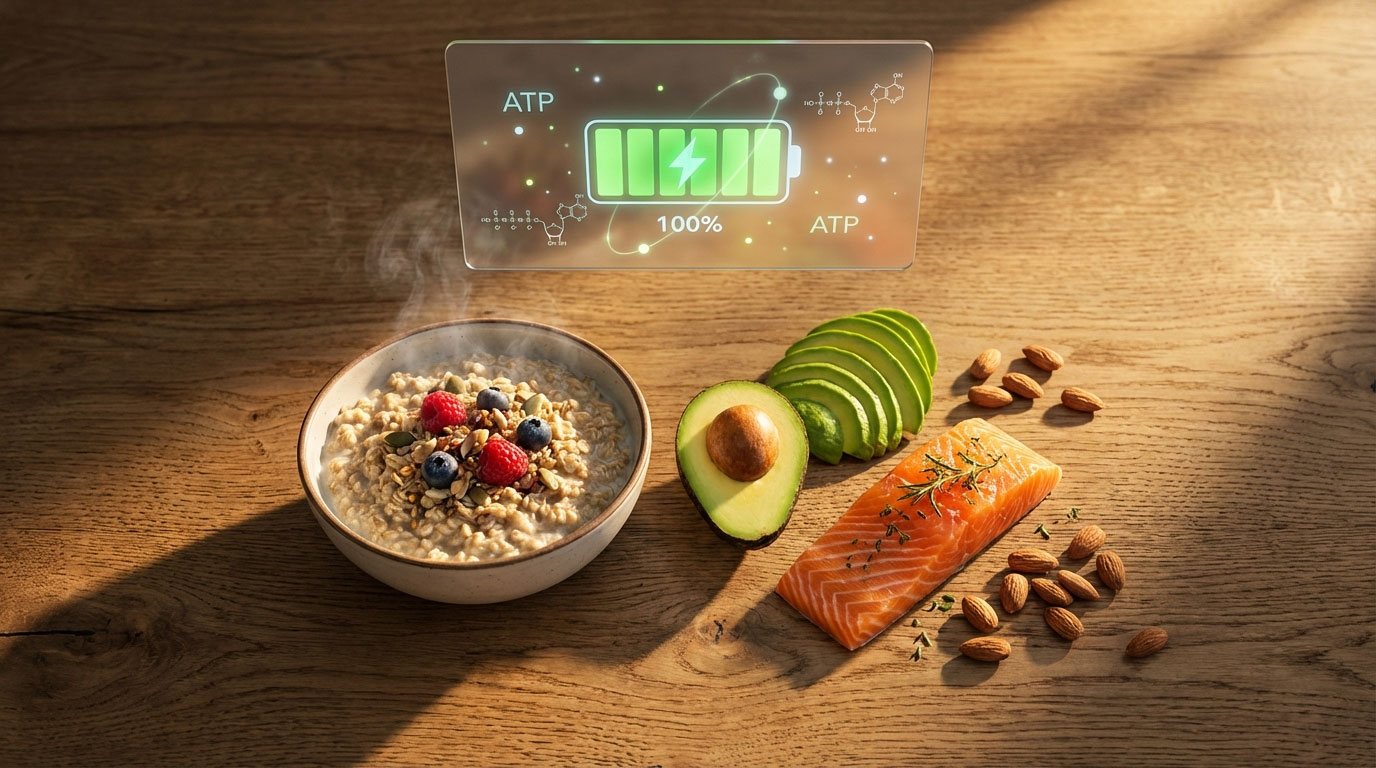
Do you experience a mid-afternoon slump when you’re reaching for a third cup of coffee or a sugary snack? But these quick fixes only give a temporary jolt of wakefulness and are invariably followed by a dramatic crash in energy. To break this tiring cycle, you need to understand that food is fuel, that your body converts into cellular energy.
If you are thinking about what to eat to boost energy naturally, you want lasting energy, not a temporary pick-me-up. By selecting foods that support stable blood glucose levels, optimize cellular metabolism, and provide essential micronutrients, you can sustain high levels of physical and mental energy all day long. This comprehensive guide lists the best evidence-based diet options to refresh your system and prevent fatigue.
1. Complex Carbohydrates for Slow-Release Fuel
Carbohydrates are the most important and efficient source of energy for your body. However, it’s all about what kind of carbohydrate you consume. White bread and pastries are simple carbohydrates that are digested too quickly. Complex carbohydrates, on the other hand, release glucose slowly into the bloodstream.
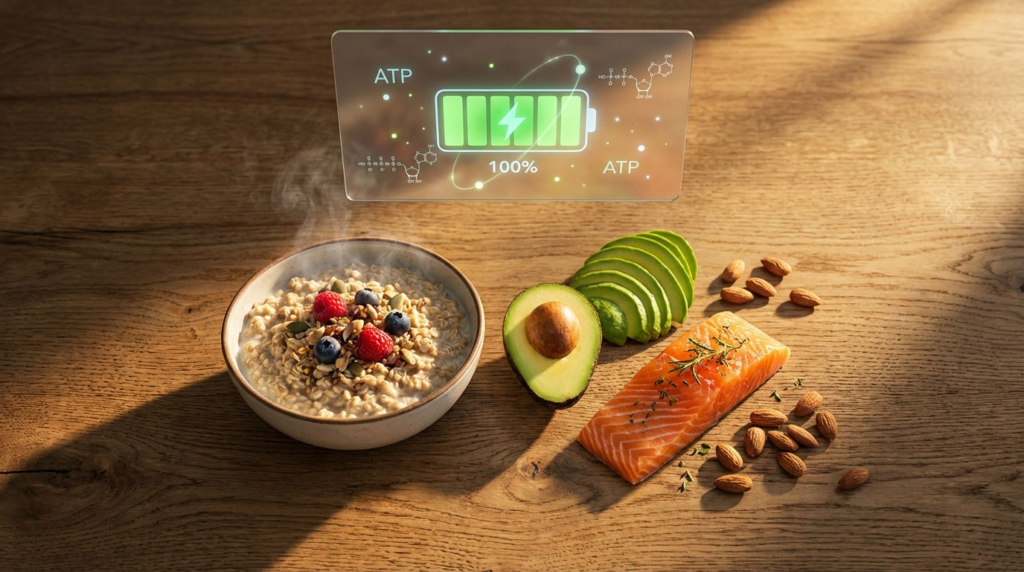
Whole Oats
Oats are high in soluble fiber, especially beta glucan, which slows digestion and extends glucose absorption. The slow release means the blood sugar doesn’t spike and then dip and leave you feeling suddenly wiped.
- The Benefit: They are loaded with B vitamins, which are essential co-factors in converting nutrients into usable cellular energy.
Sweet Potatoes
As a nutrient-dense starch, sweet potatoes provide complex carbohydrates alongside a substantial amount of dietary fiber.
- The Benefit: They contain high levels of manganese, a trace mineral that aids in breaking down nutrients, as well as potassium, which supports electrolyte balance and prevents muscle fatigue.
Brown Rice and Millets
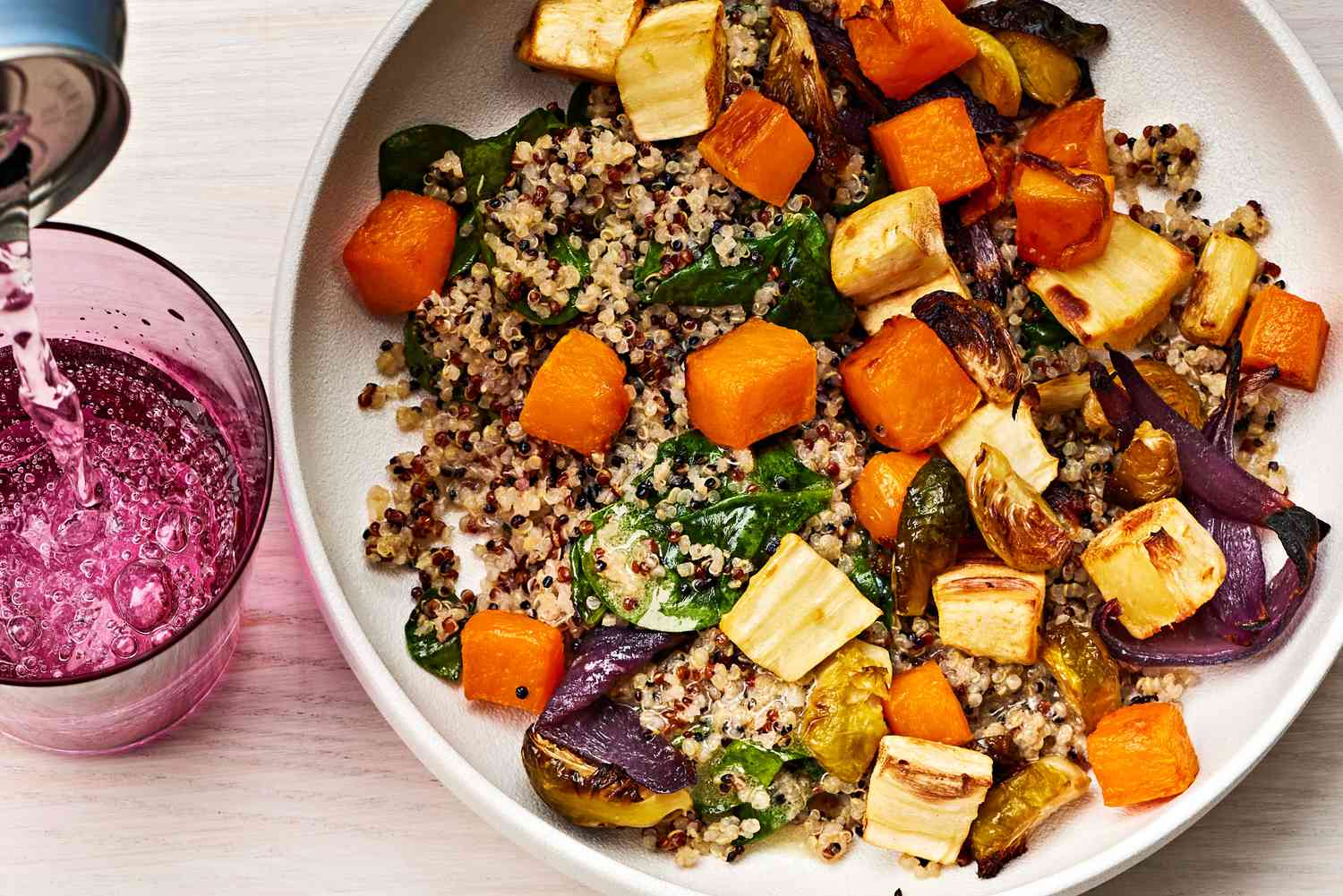
Refined grains have their nutrient-rich hulls stripped away. Whole grains like brown rice, quinoa and finger millet retain their fiber, iron and magnesium.
- The Benefit: Whole grains are rich in magnesium, a mineral that plays a direct role in the production of adenosine triphosphate (ATP), the primary energy currency of your cells.
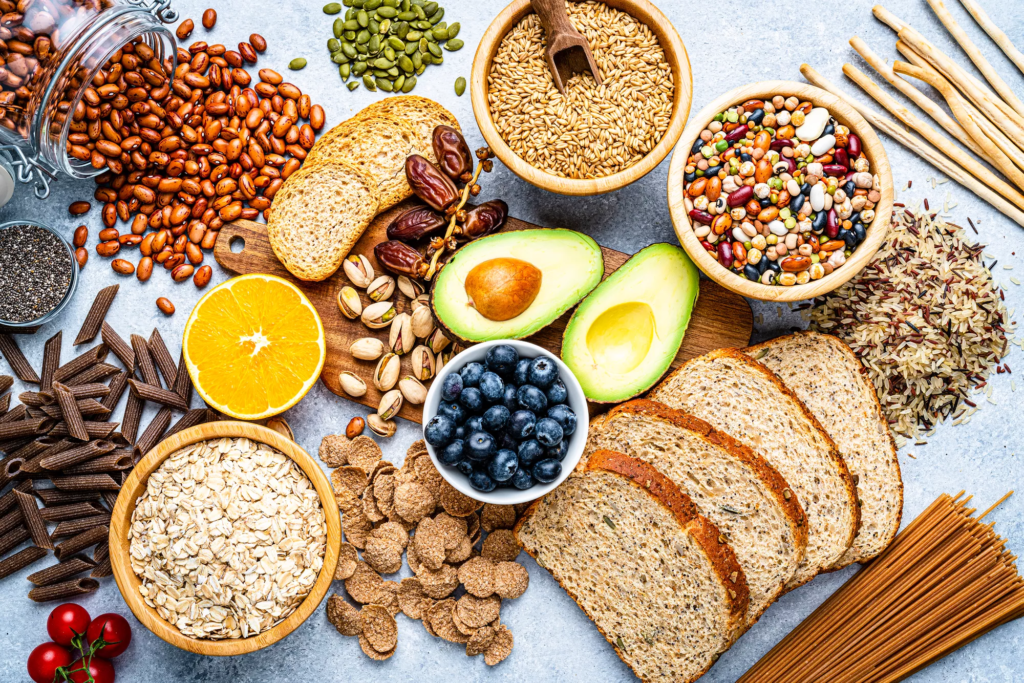
2. Nutrient-Dense Proteins to Prevent Energy Dips
Carbs give you quick energy but protein slows it down so it doesn’t burn off so fast. Eating lean protein at every meal helps balance digestion and promotes a feeling of lasting fullness.
+------------------------+---------------------------------------+----------------------------------------+
| Energy-Boosting Protein| Key Nutrient for Vitality             | Daily Impact                           |
+------------------------+---------------------------------------+----------------------------------------+
| Free-Range Eggs        | Vitamin B12, Choline, Leucine         | Enhances cellular energy production    |
| Fatty Fish (Salmon)    | Omega-3 Fatty Acids, Vitamin D        | Reduces systemic fatigue-related stress|
| Lentils and Beans      | Non-heme Iron, Magnesium, Fiber       | Optimizes continuous oxygen transport  |
+------------------------+---------------------------------------+----------------------------------------+
Eggs
Eggs Often referred to as a complete protein, eggs contain all nine essential amino acids, needed for tissue repair and steady endurance.
- The Benefit: Eggs are packed with B-complex vitamins (especially B12) and leucine, an amino acid that switches on the body’s natural energy pathways during activity.
Fatty Fish
Salmon, mackerel, and sardines are excellent sources of high-quality protein and omega-3 polyunsaturated fatty acids.
- The Benefit: Omega-3s help reduce low-grade systemic inflammation, which is a frequent underlying driver of unexplained daily exhaustion.
3. Healthy Fats for Lasting Stamina
Fats are highly concentrated sources of long-lasting energy. Including healthy, unsaturated fats in your daily meals acts as a steady backup generator for your physical tasks.
Raw Nuts and Seeds
Almonds, walnuts, chia seeds, and pumpkin seeds offer a dynamic combination of healthy monounsaturated fats, protein, and dietary fiber.
- The Benefit: Pumpkin seeds and almonds are highly concentrated in magnesium. A deficiency in magnesium forces the body to work harder to complete basic physical movements, which accelerates fatigue.
Avocados
Avocados stand out among fruits due to their high concentration of healthy fats rather than natural sugars.
- The Benefit: The monounsaturated fats in avocados enhance the absorption of fat-soluble vitamins from other foods while providing an extended, slow-release source of energy for your brain.
4. Iron and Vitamin C: The Anti-Fatigue Formula
Your muscles and tissues require a steady supply of oxygen to create energy. Iron is the core component of hemoglobin, the protein responsible for transporting oxygen throughout the body.
Leafy Greens (Spinach and Kale)
Leafy vegetables are loaded with non-heme iron and folate, making them critical additions for anyone struggling with feelings of heavy physical tiredness.
- The Benefit: They contain natural nitrates that improve blood flow and optimize cellular oxygen delivery.
Citrus Fruits and Berries
Oranges, lemons, strawberries, and blueberries are packed with natural Vitamin C and polyphenols.
- The Benefit: Consuming Vitamin C alongside iron-rich plant foods (such as having a spinach salad topped with lemon juice) drastically increases non-heme iron absorption. Additionally, the antioxidants in berries help clear metabolic waste that can cloud cognitive focus.
Strategic Eating Tips to Maximize Daily Energy
What you eat is just as important as how you structure your daily meals. Consider these three foundational habits to keep your metabolism functioning optimally:
- Balance Your Plate: Never eat carbohydrates in isolation. Always pair a source of complex carbs with a protein or a healthy fat (e.g., enjoy a sliced apple with almond butter or top your brown rice with a portion of lentils).
- Hydrate Consistently: Even mild dehydration decreases blood volume, which causes the heart to pump less efficiently and slows the transport of essential nutrients. Drinking water steadily throughout the day is the simplest way to maintain physical stamina.
- Time Your Caffeine Wisely: Avoid consuming caffeine immediately after waking up or late in the afternoon. Let your natural waking hormones work first, and cap your consumption well before bed to protect your restorative sleep phases.
The Takeaway
If you want to know what to eat to boost energy naturally, you need to eat whole, unprocessed foods. Your daily routine consists of complex carbs balanced with proteins and micro-nutrients like iron and magnesium. This is the exact combination your body needs to produce clean, lasting power, without the dreaded midday crash.