It’s so frustrating when you’re doing all the right things you’re eating salads, hitting your step goals, drinking water and the scale just won’t budge. By 2026, nutrition science has evolved past the “calories in, calories out” paradigm to a more nuanced picture of metabolic health.
If you find yourself asking “Why am I not losing weight?” the answer is often hiding in biological triggers or common lifestyle oversights that halt progress. The real reasons your weight loss may have plateaued and how to fix them
1. The “Hidden Calories” Trap
On paper, you may be in a caloric deficit, but ‘hidden’ calories can easily add up.
- Cooking Oils: A single tablespoon of oil contains roughly 120 calories. If you aren’t measuring it, you could be adding 300+ calories to your “healthy” sautéed vegetables.
- Liquid Calories: Specialized coffees, “healthy” fruit juices, and even tonic water can contain significant sugar.
- “Healthy” Overeating: Foods like avocados, nuts, and olive oil are nutrient-dense but calorie-heavy. Portion control is still vital for these superfoods.
2. Metabolic Adaptation & Muscle Loss
If you have been dieting for a long time, your body may have entered “survival mode.”
- Adaptive Thermogenesis: Your metabolism slows down to match your lower calorie intake.
- Muscle Wasting: If you aren’t eating enough protein or performing resistance training, your body may burn muscle for energy instead of fat. Since muscle burns more calories at rest than fat, losing it slows your metabolism.
3. Poor Sleep and High Stress (The Cortisol Factor)
Weight loss is as much about hormones as it is about food.
- Cortisol: High stress levels trigger the release of cortisol, which is known to encourage fat storage, particularly in the abdominal area.
- Sleep Deprivation: Lack of sleep disrupts Leptin (the fullness hormone) and Ghrelin (the hunger hormone). When you are tired, your body biologically craves high-sugar, high-fat foods for quick energy.
4. Weight Loss Stall Comparison Matrix
| The Reason | How It Affects You | The Fix |
| Undereating Protein | Muscle loss & constant hunger. | Aim for 1.2g to 1.6g of protein per kg of body weight. |
| High Stress | Increased belly fat (Cortisol). | Incorporate 10 minutes of daily meditation or deep breathing. |
| Hidden Sugars | Insulin spikes prevent fat burning. | Read labels for “hidden” names like maltodextrin or corn syrup. |
| Lack of NEAT | Low daily calorie burn. | Increase Non-Exercise Activity Thermogenesis (walking, standing). |
5. Medical and Digital Factors in 2026
Sometimes, the reason for a stall is clinical. In 2026, it is easier than ever to use digital tools to investigate these real reasons.
- Thyroid or Hormonal Imbalance: Conditions like PCOS or Hypothyroidism can make weight loss significantly harder.
- Digital Health Tracking: Use your smartphone to sync with wearable devices that track your metabolic rate and sleep quality.
- Secure Records: Keep your latest blood work (Thyroid, Vitamin D, B12) saved in your DigiLocker. This allows you to share data with nutritionists instantly to see if a biological deficiency is the culprit.
- Verified Consultations: Ensure your mobile number is linked to your Aadhaar to access verified teleconsultation platforms. This allows you to speak with specialists who can provide a customized best diet plan for fast weight loss based on your unique biology.
6. Are You Actually Gaining Muscle?
Before you get discouraged, consider that “weight” is not the same as “fat.”
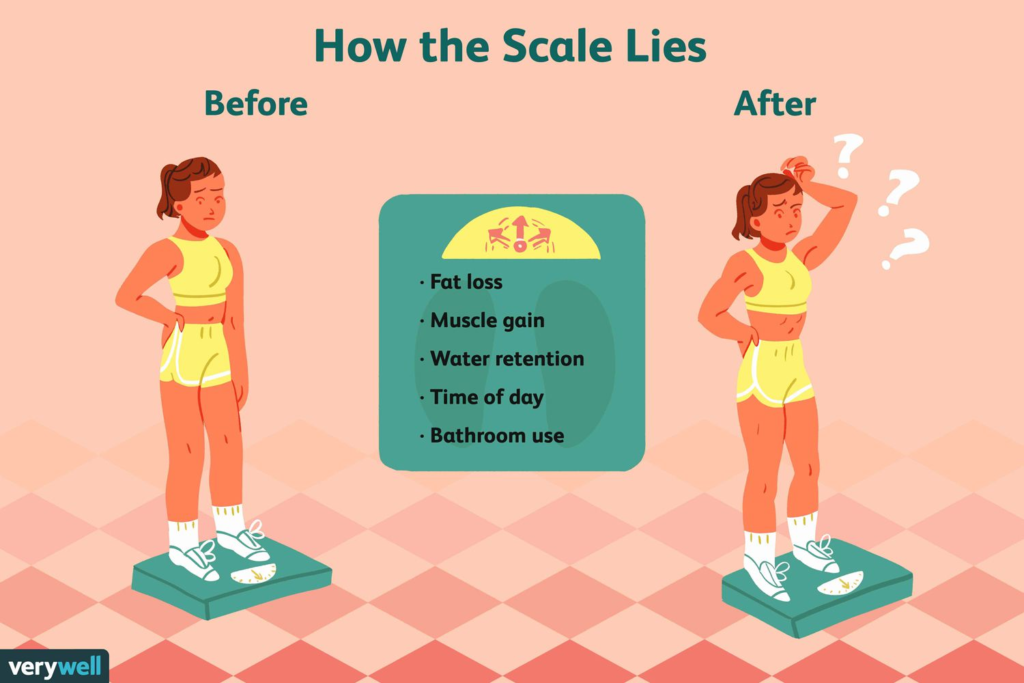
- Body Composition: If you have started a new exercise routine, you might be losing fat but gaining muscle. Muscle is denser than fat, meaning you might look leaner and your clothes might fit better even if the scale stays the same.
- Water Retention: High salt intake, intense workouts, or hormonal cycles can cause your body to hold onto several pounds of water.
FAQs: Why Am I Not Losing Weight?
How long does a typical weight loss plateau last?
A plateau is generally defined as no weight change for 4 consecutive weeks. If it has been less than two weeks, it might just be normal daily fluctuations or water retention.
Can I lose weight by just walking?
Yes! Increasing your daily steps is one of the most effective ways to boost your metabolism without increasing your appetite as much as high-intensity gym sessions do.
Does a zero balance bank account help with weight loss?
While it doesn’t affect your biology, a zero balance bank account is a great tool for managing a strict “health budget”. By keeping your grocery and supplement funds separate, you can avoid overspending on expensive “diet” snacks and focus on affordable whole foods.
Should I cut out carbs completely?
Not necessarily. While reducing refined carbs helps manage insulin, complex carbs like oats and sweet potatoes provide the fiber and energy needed for consistent fat burning.
The Verdict: Consistency and Patience
The real reasons for not losing weight are usually a combination of small habits and biological signals. By focusing on high protein, better sleep, and accurate tracking, you can break through any plateau. Weight loss is a marathon, not a sprint—give your body the time it needs to adapt to a healthier you.