Gone are the days when stepping out of the house without a physical leather wallet caused a minor panic attack. Today, your smartphone, your smartwatch, and even your biometric signature carry more immediate purchasing power than a pocket full of folded bills ever could. From tapping to pay for a morning espresso to executing massive, cross-border corporate transfers in milliseconds, the world has decisively embraced the digital-first financial model.
But what exactly is fueling this relentless, global momentum? If you are looking closely at the financial sector and wondering why digital payments are growing fast, you will quickly realize the answer extends far beyond simple convenience. We are witnessing a perfect storm: a convergence of groundbreaking technological innovation, bulletproof security protocols, and a fundamental, permanent shift in how humans interact with commerce. Let’s break down the core engines driving the explosive rise of the modern digital economy.
1. The Pursuit of the “Frictionless” Experience
The primary catalyst for the digital payment boom is the complete removal of friction from the buying process. In the past, paying for an item required a physical exchange, counting change, or signing a paper receipt. Today, the payment process is almost entirely invisible.
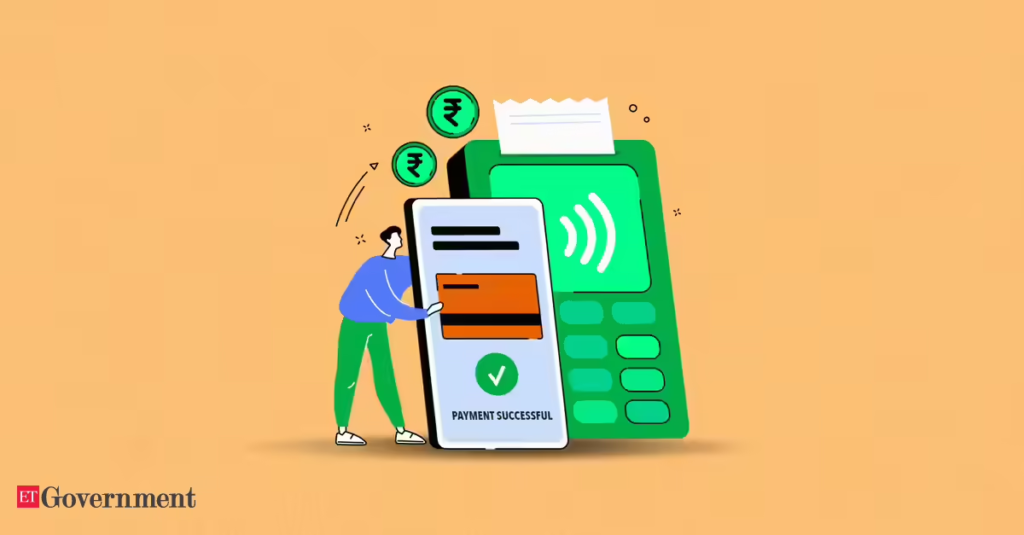
Consumers have developed an incredibly low tolerance for delays at the checkout counter, whether that checkout is happening in a physical grocery store or an online shopping cart. Modern payment gateways, one-click checkout buttons, and Near Field Communication (NFC) technologies have condensed the payment timeline to a mere fraction of a second.
Industry Insight: In 2026, we are moving beyond simply tapping a card. “Agentic commerce”—where smart devices and AI assistants autonomously execute recurring payments and order household supplies on our behalf—is becoming mainstream. When the payment happens silently in the background, consumer spending naturally increases due to the sheer ease of the transaction.
2. Advanced Security: The Era of Tokenization
A major hurdle for early digital payment adoption was a pervasive fear of fraud. People were naturally hesitant to input their 16-digit Primary Account Number (PAN) into random websites. So, why digital payments are growing fast today? Because the underlying architecture of trust has been entirely rebuilt through Network Tokenization.
When you use a mobile wallet or a modern payment app today, your actual credit or debit card number never travels across the internet. Instead, the network generates a unique, encrypted “token” for that specific transaction or specific merchant. Even if a hacker successfully breaches a retailer’s database, all they will find is a string of useless, single-use tokens that cannot be used to steal your identity or drain your bank account.

This robust layer of security has shifted public perception. Digital payments are no longer viewed as a risky alternative to cash; they are widely recognized as significantly safer than carrying physical currency that can be easily lost or stolen.
The Evolution of Payment Methods
To understand the rapid growth, we must look at how digital infrastructure has fundamentally outpaced traditional banking methods.
| Feature | Traditional Banking (Cash/Checks) | Modern Digital Payments (2026) |
|---|---|---|
| Transaction Speed | Hours to Days (Clearing times) | Instantaneous / Real-time |
| Accessibility | Limited by bank branch operating hours | 24/7 Global availability |
| Data & Tracking | Manual receipt keeping | Automated categorization & spend analysis |
| Security Response | Reactive (Canceling physical cards) | Proactive AI blocking & Tokenization |
| Physical Dependency | Requires physical presence / signatures | Entirely remote / Biometric verification |
3. Financial Inclusion and Real-Time Infrastructure
While developed nations have long utilized credit networks, the true explosion in transaction volume over the last few years has come from emerging markets. Governments and central banks worldwide have realized that paper money is expensive to print, difficult to track, and inefficient to distribute.
To modernize their economies, many countries have launched state-backed, Real-Time Payment (RTP) networks. These incredibly fast, interoperable systems allow citizens to transfer money instantly between different banks using just a mobile phone number or a QR code, often with zero transaction fees for the user.
By making digital payments feel exactly like handing over cash—instant, universally accepted, and free—these networks have brought millions of previously “unbanked” individuals into the formal financial system. A street vendor selling fruit can now accept the exact same digital currency as a massive luxury retail store, completely leveling the economic playing field.
4. AI-Powered Fraud Defense at the Frontlines
As digital transaction volumes have scaled into the billions daily, human analysts can no longer monitor the networks for suspicious activity. The integration of advanced Artificial Intelligence into banking infrastructure is a massive reason why digital payments are growing fast.
Modern payment processors utilize machine learning models that analyze thousands of data points per millisecond. If you typically buy coffee in London every morning, and your card suddenly attempts to purchase high-end electronics in a different country ten minutes later, the AI instantly flags and blocks the transaction before it ever processes. This invisible, highly intelligent shield protects consumers in real-time, building deep, long-term trust in digital financial institutions.
5. The E-Commerce and Creator Economy Boom
You simply cannot have a thriving internet economy without a robust digital payment backbone. The way we work and consume entertainment has changed drastically. We no longer just buy physical goods from large retailers; we subscribe to software, tip independent content creators, purchase digital art, and pay freelance workers located halfway across the globe.
Digital payments are the absolute lifeblood of the modern creator and gig economy. Cross-border modernization and the integration of regulated stablecoins have made it possible to send micro-payments internationally without the exorbitant fees traditionally charged by legacy wire services. If a consumer wants to support a digital artist or access a premium newsletter, the payment must be digital, seamless, and immediate.
The Future is Fully Digital
The transition away from paper currency is no longer a futuristic prediction; it is our current, accelerating reality. Understanding why digital payments are growing fast is essential for businesses looking to survive and consumers wanting to protect their financial data.
The combination of zero-friction user experiences, sophisticated tokenization, AI-driven fraud prevention, and government-backed real-time networks has created an unstoppable momentum. As we look toward the remainder of the decade, the focus will no longer be on convincing people to adopt digital payments, but rather on innovating the networks to handle the sheer, immense volume of a globally connected, cashless society.