After a quiet five years without a new feature film and decades without a genuinely great video game adaptation, the heavy burden of proof fell squarely on IO Interactive. Fortunately, the Danish studio behind the critically acclaimed Hitman franchise has answered the call. The official
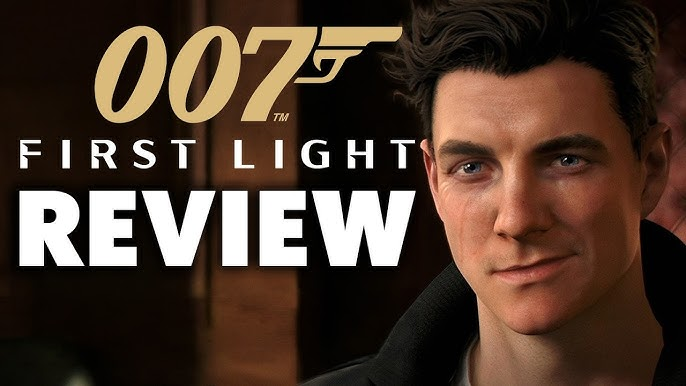
highlights a gorgeous, cinematic triumph that successfully reboots the Double-O program for a new generation.
Instead of lazily recycling old movie scripts, the development team has crafted a fresh, standalone origin story. Players step into the polished shoes of a 26-year-old, reckless, and emotional James Bond (brilliantly performed by Patrick Gibson) as he fights to earn his legendary 00 status. The result is a game that values the complete spy fantasy—balancing brutal combat with high-society espionage.
Hitman Meets Uncharted: Balancing Sandbox Stealth with Action
For long-time fans of the developer, the biggest pre-release worry was whether this project would simply feel like a re-skinned Hitman game. The gameplay architecture proves those anxieties were completely unfounded.
While the studio’s signature “social stealth” mechanics remain a vital part of the core design, they have been completely repurposed to drive a cinematic, narrative-focused adventure that feels reminiscent of modern blockbusters like Uncharted.
From Smooth Talker to Barroom Brawler
The game understands that James Bond is just as much a schmoozer as he is a bruiser. Several chapters drop you into crowded, high-stakes environments—such as a high-society chess tournament or an upscale tech product launch. Here, the objective isn’t to shoot your way out, but to blend in, relax by an infinity pool, and eavesdrop on conversations to locate hidden intel.
However, when cover is blown, the game shifts effortlessly into visceral, heavy-hitting melee combat. Taking inspiration from the fluid freeflow mechanics of the Batman: Arkham series, Bond fights like a desperate, gritty brawler. If an enemy corners you, anything that isn’t bolted down—from coffee mugs and wine bottles to heavy desktop keyboards—can be shattered across a mercenary’s face in spectacular, destructible fashion.
Feature Breakdown: How 007 First Light Captures the Bond Fantasy
To see how IO Interactive has balanced the traditional pacing of a Hollywood spy film with active player mechanics, it helps to review the core components that make up the campaign.

The analytical table below evaluates the primary feature suites driving the game’s 20-to-25-hour main story:
| Gameplay Feature | Core Mechanics & Integration | Visual & Atmosphere Setting | Critical Verdict |
|---|---|---|---|
| Social Espionage | Infiltration, eavesdropping, non-lethal gadget use, and puzzle solving | Swanky European hotels, product launches, and luxury resorts | Exemplary; captures the high-class charm of the franchise beautifully |
| Hand-to-Hand Melee | Freeflow martial arts, counters, and fully destructible environment interactions | Gritty back alleys, corporate labs, and narrow corridors | Visceral and punchy; feels heavy, chaotic, and satisfyingly brutal |
| Ranged Gunplay | Cover-based shooting, punchy weapons, and explosive environmental hazards | Military compounds, train yards, and snowy research facilities | Solid; prioritizes Hollywood-style cinematic action over deep tactical strategy |
| Gadget Progression | Resource-managed hacking watches, laser beams, and tracking darts | Customized, interactive Q-Lab testing rooms | Clever; adds creative, puzzle-like options to handle guard patterns |
| Driving Sequences | On-rails chase mechanics and high-speed getaway driving | Winding coastal roads and slick, rain-soaked city avenues | Simplistic; thrilling for the story but lacks deep mechanical freedom |
Performance Matrix: Glacier Engine Upgrades
Built on the studio’s proprietary Glacier engine, the title pushes current-generation hardware to its absolute limits, introducing advanced technological overhauls to create a genuinely stunning visual atmosphere.
While critics have noted that face and hair animations can occasionally look a bit stiff during close-up dialogue scenes, the overall environmental art design is breathtaking. The game takes players on a globetrotting tour across gorgeous rendering spaces, including Iceland, Malta, London, Vietnam, and a secret observatory in Antarctica.
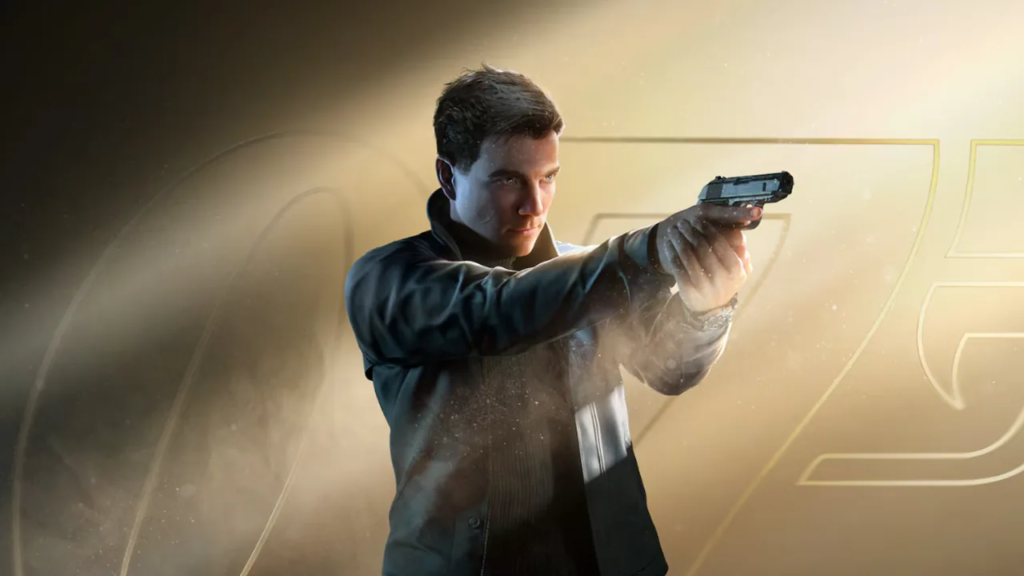
The implementation of a brand-new volumetric smoke system and fully dynamic global illumination means that light source scattering, pouring rain, and shadows filter through rooms with striking, atmospheric realism.
Replayability: The Post-Game Tactical Simulator (TacSim)
Once the cinematic final credits roll, the experience doesn’t simply end. For players who miss the pure, unscripted sandbox freedom of the Hitman trilogy, the developers have included a dedicated post-game mode called TacSim (Tactical Simulator).
The TacSim Experience: Heavily inspired by classic, retro stealth expansions like the Metal Gear Solid VR Missions, TacSim strips away the linear narrative restraints. It places players into abstract digital maps where they must execute perfect stealth runs, clear complex combat trials, and master weapon challenges with endless mechanical choices.
Ultimately, this project succeeds because it was clearly built by a team of excitable, dedicated geeks throwing their favorite “what-if” cinematic concepts at a whiteboard. Whether you are exploring the interactive prototype rooms of the Q Lab, figuring out how to talk your way out of a torturer’s table, or leaping from a plane at 15,000 feet, the game delivers an authentic, unforgettable spy experience that easily stands as the best James Bond game in modern history.