We are living in a time when everyone’s really into making things better. Go to any place that’s about being healthy in 2026, and people will tell you to buy expensive things like special rings that track your body, food that comes in a package, special beds that help you sleep, and apps that help your brain work better. We think that being healthy is a problem that can only be solved by spending a lot of money.
Our bodies do not care about money or what is popular right now. The way our bodies work, which affects how we feel, focus, and have energy, has not changed in a long time.
What if the best thing you could do for your mind and body did not cost anything? What if you did not need anything, did not have to exercise a lot, and only had to spend a little time doing it? The facts from science are clear: this simple thing can make your life a lot better than anything that is supposed to help you be healthy.
That habit is remarkably straightforward: Instituting a strict 20-minute “no-phone buffer” immediately upon waking up.
The Neurobiology of a Hijacked Morning
To understand why this small change in behavior is so important for your brain health, we need to look at what happens in your brain when you wake up.
When you are sleeping, your brain is working slowly and is repairing itself. As you start to wake up and open your eyes, your brain does not immediately become fully alert. It takes some time to get ready for the day.
As your brain wakes up it goes through stages. These stages are like gears that your brain uses to get ready for the day.
There are a few stages your brain goes through when you wake up:

- Theta Waves: This is when your brain is very relaxed and you are being very creative. This is the stage when you first wake up and everything feels dreamy.
- Alpha Waves: This is when your brain is relaxed and you are focused. You are not yet fully awake. You are starting to think clearly.
- Beta Waves: This is when your brain is fully awake and you are thinking clearly. However, if you are thinking too much, you can start to feel stressed and anxious.
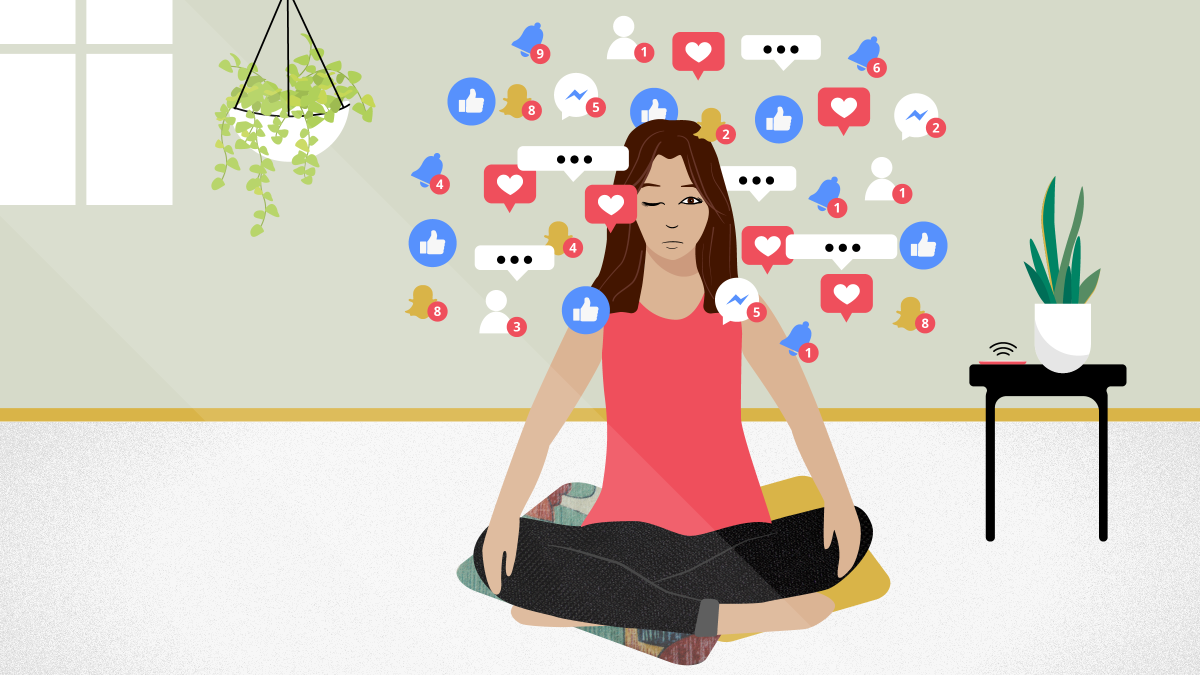
When you grab your phone as soon as you wake up, you are disrupting this process. The bright light from the phone and all the notifications and messages are too much for your brain to handle. Your brain skips the creative stages and goes straight into the fully awake stage. This is not good for your brain because it is like a shock. You are not letting your brain wake up slowly; you are forcing it to be awake and ready to go. This is, like, putting your brain into a state of emergency, where it has to be ready to react to everything that is happening on your phone.
The Cognitive Cost Matrix
To visualize the long-term impact of this daily choice, let’s contrast the physiological and mental outcomes of a phone-saturated morning versus an analog buffer zone.
| Impact Dimension | The Phone-First Routine | The 20-Minute Analog Buffer |
|---|---|---|
| Initial Brain State | Forces instant, high-stress beta waves; skips the creative bridge. | Allows Theta and Alpha waves to transition naturally, fostering calm focus. |
| Dopamine Dynamics | Triggers an immediate, unearned spike followed by a homeostatic baseline drop. | Keeps baseline dopamine stable, preserving motivation for harder daily tasks. |
| Mental Mode | Reactive: You are instantly processing other people’s demands and agendas. | Proactive: You dictate your initial thoughts and establish internal clarity. |
| Anxiety Baseline | Activates an immediate cortisol-driven “fight or flight” nervous system response. | Promotes emotional regulation and structural resilience against daily stress. |
| Focus Longevity | Fragmented attention span; higher likelihood of afternoon procrastination. | Sustained cognitive endurance and sharper decision-making capacity. |
The Dopamine Trap: What Happens When You Check Your Phone First Thing in the Morning
When you scroll through media or check emails as soon as you wake up, you get a big rush of dopamine. Because you got this reward for doing nothing, your brain tries to balance things out. It lowers your dopamine levels below where they were. That’s why after scrolling for minutes in the morning you often feel more tired, unmotivated, and mentally foggy than you did when your alarm went off.
Designing Your 20-Minute No-Phone Buffer
This simple habit can really improve your life because it helps you control your attention. If you start your day with a dopamine hit from your phone, a task that requires some effort will feel like a chore. Your brain will actually fight against working.
To break this cycle, you need to replace your phone habit with a low-dopamine routine. Here’s a step-by-step guide to building a morning buffer.

1. Establish a Physical Barrier: Execute the night before.
The human brain always takes the way out. If your phone is your alarm clock and it’s next to you, you will scroll through it. Buy an alarm clock and charge your phone in another room like the kitchen or living room. This makes you get up and get your phone on purpose.
2. The 500 ml Organ Flush: Minutes 1 to 3 upon waking.
After sleeping for seven or eight hours, your body is really dehydrated. Before you think about coffee or tea, drink a glass of room-temperature water. This helps your body get going, removes waste, and clears up morning brain fog.
3. Seek Photonic Daylight: Minutes 3 to 15.
Go onto your balcony, porch, or backyard. Look at the morning sky. Don’t look directly at the sun. The natural light outside is much stronger than the light. This light helps your body stop making melatonin. Gets you ready for the day.
4. Engage in Somatic Movement: Minutes 15 to 20.
Spend the five minutes of your buffer doing some light physical activity. This could be stretching, rolling out your spine, or doing some movements. Moving your body tells your systems that you’re awake and in control.
Long-Term Dividends for Productivity and Peace
When you protect your mind in the morning, the benefits add up over time. You go from reacting to everything to being in control of your day.
By letting your brain process thoughts, you work through emotional clutter. You’ll notice solutions to problems coming to you easily while you’re doing everyday things.
Also, because you didn’t get much dopamine from your phone right away, you can focus better. A task that used to be hard will suddenly feel manageable. You’re training your brain to handle moments where great ideas and productivity happen.
Take Back Your Waking Mind
True personal change does not need a lifestyle change or a lot of money. It needs you to set boundaries around your habits.
By putting your smartphone in another room for twenty minutes each morning, you are choosing to focus on your brain health, your concentration, and your inner calm instead of the constant noise from digital devices.
You should not let algorithms control your thoughts in the morning. Take back your morning. Try a simple start without devices and see how this small habit can make your life better.