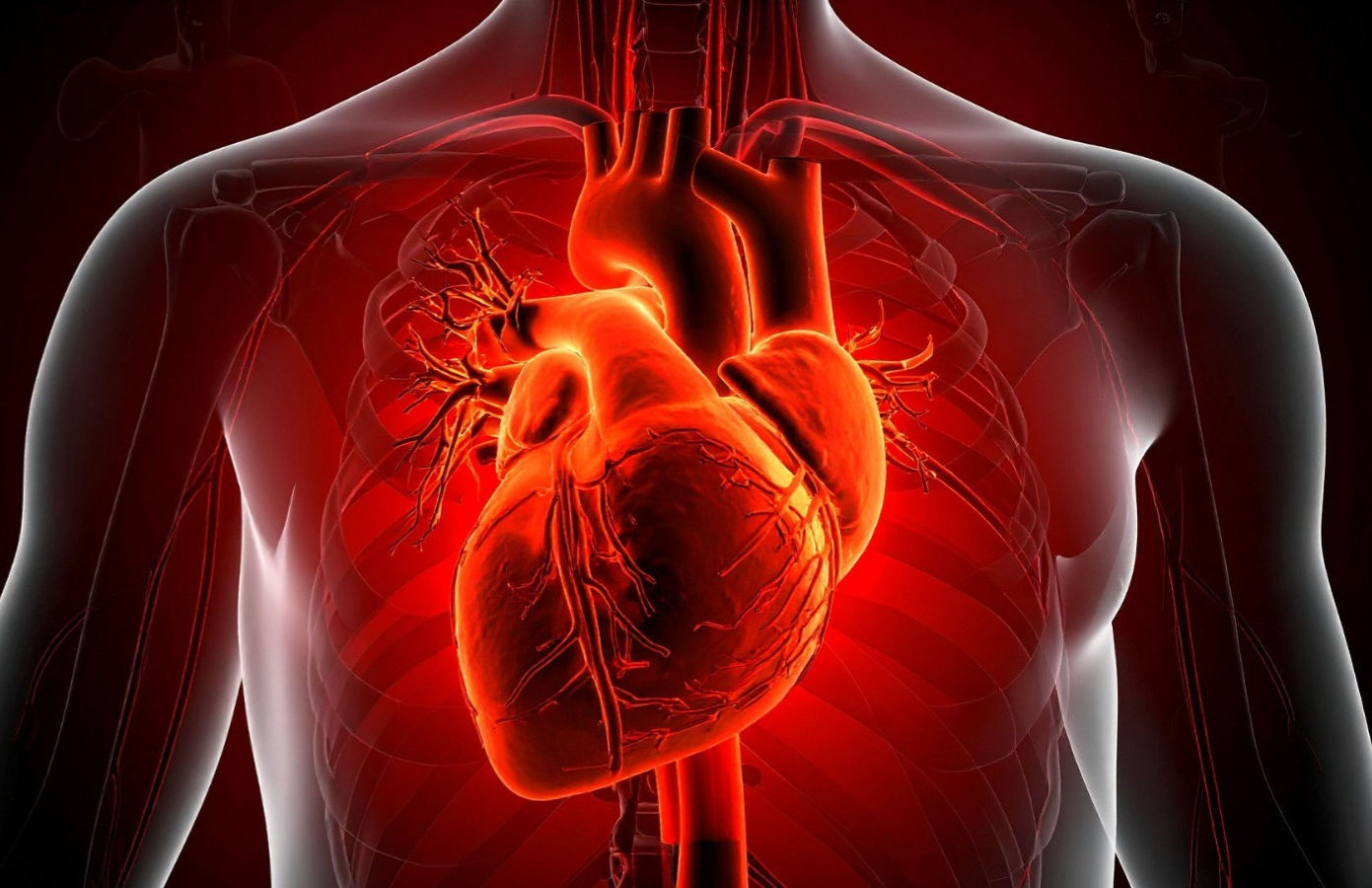
As global temperatures continue to break records, medical researchers are shifting their focus beyond basic sun protection. While heat exhaustion and dehydration are well-known summer risks, a major epidemiological study has highlighted a much more serious threat: heat waves can affect heart health by placing an immediate, heavy burden on the human cardiovascular system.
Data presented at international preventive cardiology forums confirms that extreme heat acts as an immediate physical stress test for the body. For individuals with existing heart conditions—as well as otherwise healthy, active adults who work or exercise outdoors—extended periods of high temperatures significantly elevate the risk of experiencing major adverse cardiovascular events (MACCE), including sudden heart attacks, strokes, and arrhythmias.

The Internal Cooling Mechanics: Why the Heart Pumps Harder
To understand how heat waves can affect heart health, it helps to look at how the human body naturally regulates its internal temperature. When environmental heat approaches or exceeds normal body temperature, the cardiovascular system is forced to go into overdrive to shed the excess warmth.
1. Rapid Circulation Demand
To move core heat out toward the skin where it can evaporate through sweat, the body triggers widespread vasodilation (widening of blood vessels). To keep blood moving through these expanded pathways, the heart must beat faster and pump harder. On a scorching summer afternoon, the heart may circulate two to four times as much blood per minute compared to a cool, climate-controlled day.
2. Blood Thickening and Viscosity
As a person sweats to stay cool, they rapidly lose vital fluids and essential electrolytes like sodium and potassium. If these fluids are not replaced immediately, dehydration sets in. This fluid loss causes the blood to thicken and become more viscous, making it much easier for dangerous blood clots to form inside narrowed arteries.
Immediate vs. Delayed Impact: Temperature Extremes Compared
Recent large-scale geospatial health analyses tracking millions of residents have revealed that the body reacts completely differently to extreme heat waves compared to winter cold snaps.
The table below outlines the distinct timelines and cardiovascular event spikes associated with extreme weather exposure:
| Weather Wave Extreme | Timing of Cardiovascular Spike | Average Increase in Heart Fatalities | Primary Underlying Biological Trigger |
|---|---|---|---|
| Heat Wave Exposure | Immediate (Occurs on the exact day of peak heat) | Up to 9.5% jump in daily cardiac deaths | Acute dehydration, sudden electrolyte imbalance, extreme pumping fatigue |
| Cold Wave Exposure | Delayed (Develops gradually over several days) | Between 4.7% and 6.9% increase | Internal blood vessel narrowing, elevated baseline blood pressure |
High-Risk Demographics and Dangerous Medication Interactions
While extreme summer conditions present a challenge for everyone, certain groups face a significantly higher risk of experiencing a heat-induced cardiac emergency.
Vulnerable Groups:
- Seniors (Aged 65 and Older): The body’s natural ability to regulate heat declines with age, making it harder for older adults to adjust to sudden temperature shifts.
- Individuals with Pre-existing Conditions: Those managing high blood pressure, diabetes, high cholesterol, or coronary artery disease are highly vulnerable to heat-induced strain.
- Outdoor Workers: Manual laborers, daily wage earners, and athletes face prolonged, direct heat exposure with minimal opportunities to cool down.
The Pharmaceutical Blind Spot
Many common heart medications can unintentionally compromise the body’s natural ability to shed heat on hot days. Patients should consult their doctors to manage these interactions safely:
Beta-Blockers: These medications slow down the heart rate, which can limit the heart’s ability to circulate blood fast enough for efficient heat exchange. Diuretics (Water Pills): Designed to treat high blood pressure by increasing fluid output, these pills can rapidly accelerate the risk of severe dehydration during a heat wave.
Actionable Prevention Guide: Protecting Your Heart in the Heat
Mitigating the cardiovascular risks of extreme summer weather requires a proactive approach to daily movement and hydration.
1.Monitor Official Heat Advisories:Planning Phase.
Check the local weather forecast every morning. If a heat warning is active, plan your day around indoor, air-conditioned spaces and avoid non-essential travel during peak hours.
2.Establish a Strict Fluid Schedule:Hydration Rules.
Do not wait until you feel thirsty to drink. When spending time outdoors, aim to drink roughly 8 ounces (one full glass) of water every 20 minutes to keep your blood volume stable.
3.Shift Physical Exercise Windows:Activity Control.
Postpone heavy workouts, yard work, or running until the coolest parts of the day—typically early morning or late evening. If you must exercise, drop the intensity and take frequent rests in the shade.
4.Recognize Early Emergency Symptoms:Warning Signs.
Watch out for early signs of heat strain, such as sudden dizziness, heavy sweating, a rapid pulse, muscle cramps, or nausea. If these symptoms appear, move to a cool area immediately, sip water, and seek medical attention if conditions don’t improve.