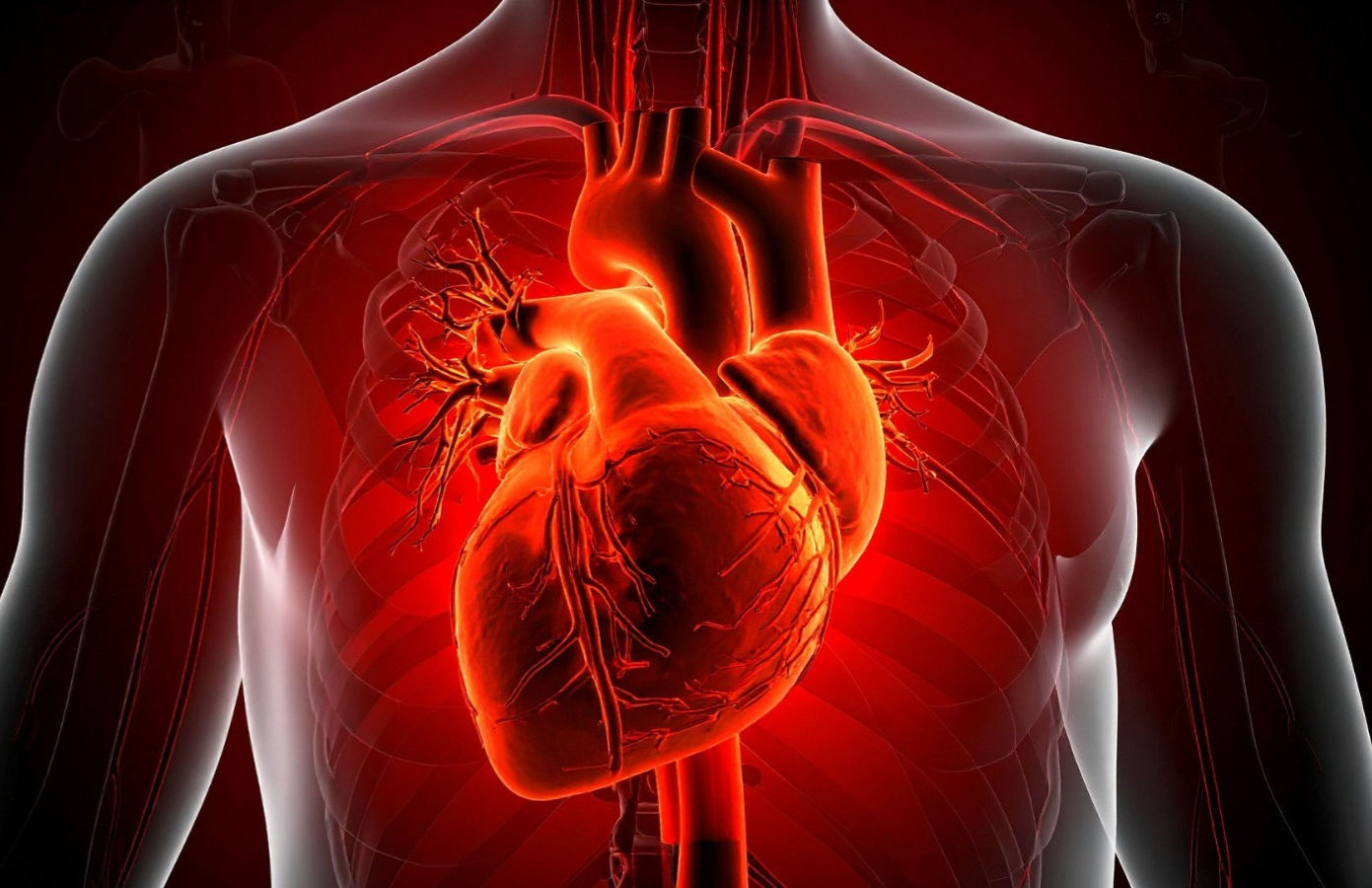
India is facing a massive, quiet shift in its public health landscape. According to a major national medical study, two in three young adults in India are at risk of NCD (Non-Communicable Diseases).
The shocking data stems from the landmark Apollo Health of the Nation 2026 report, which meticulously analyzed over three million preventive health assessments. The findings send a clear warning to the country’s economic engine: chronic metabolic disorders are no longer just a concern for older generations. Instead, these silent conditions are showing up much earlier in life, deeply affecting students and working professionals long before any physical symptoms appear.
The Working Class Burden: A Real-Time Metric Breakdown
The health crisis becomes particularly apparent when zooming in on the active workforce. With the average age of assessed working professionals hovering around 38, metabolic imbalances have become incredibly widespread.
The table below outlines the startling prevalence of health risks across India’s primary productive age demographic:
| Health Risk Category | Prevalence Rate in Working Population | Primary Long-Term Medical Concerns |
|---|---|---|
| Overweight Status | 80% (8 out of 10 workers) | Chronic joint stress, early cardiovascular strain, systemic inflammation |
| Prediabetes or Diabetes | Nearly 50% (1 out of 2 workers) | Irreversible pancreatic fatigue, nerve damage, chronic kidney complications |
| High Blood Pressure | 25% (1 out of 4 workers) | Stiffening of the arteries, elevated stroke risk, cardiac muscle strain |
| Severe Vitamin D Deficiency | 70% (7 out of 10 workers) | Weakened bone density, compromised immunity, poor metabolic regulation |
| Low Vitamin B12 Levels | Close to 50% | Chronic neurological fatigue, red blood cell reduction, poor energy cycles |
The Danger of “Silent” Threats and Advanced Diagnostics
A core takeaway from the data is that traditional, routine blood work is no longer enough to catch these issues early. Many high-risk individuals look completely healthy on paper while underlying conditions steadily progress.
The Standard Blood Test Gap
Standard liver and heart screenings often miss early warnings. The report highlights that relying solely on basic enzyme checks can create a false sense of security. Advanced imaging reveals a much different story:
Physical Decline in the Under-30 Crowd
The warning that two in three young adults in India are at risk of NCD is further backed by physical fitness data. Nearly two-thirds of individuals under the age of 30 demonstrated poor scores in basic flexibility, core strength, and structural balance. In clinical settings, a sedentary lifestyle and poor physical mobility are directly linked to premature arterial stiffness and a lower healthy lifespan.
Gender-Specific Discoveries: Early Onset Risks for Women
The comprehensive screening also highlighted distinct, critical health patterns among Indian women that require immediate, personalized intervention.
1. The Onset of Breast Cancer
In Western nations, routine screenings typically flag initial breast cancer patterns closer to age 60. However, the data collected across the Indian demographic reveals a mean detection age of 51—nearly a decade earlier than Western averages. Alarmingly, every single one of these detected cases was completely asymptomatic during initial screening.
2. The Menopause Metabolic Shift
The report explicitly warns of a massive metabolic shift that occurs during menopause. Driven by central weight gain and hormonal changes, the prevalence of diabetes spikes by a massive 2.5 times during this life stage, highlighting the need for proactive lifestyle planning.

The Silver Lining: The Power of Early Intervention
While the headlines paint a grim picture, the medical data offers a strong message of hope. Because these risks are being caught early, the opportunity to reverse them is at an all-time high.
Reversing the Trend: The study found that 28% of individuals under the age of 30 successfully reversed their prediabetic status back to completely normal levels through early lifestyle changes and diet modifications. In stark contrast, only 7% of individuals over the age of 50 achieved the same reversal success
Medical experts emphasize that India must move away from reactive, symptom-led care and fully embrace a personalized, predictive approach to health. Simple adjustments—like taking care of gut microbiome diversity, introducing consistent daily movement, and scheduling targeted screening checks—can catch heart conditions and cancers at Stage 1, when they are most treatable.