The smartphone wars of 2026 have taken an unexpected turn. For years, the “budget” space was a playground for Android manufacturers like Samsung, Xiaomi, and Google. Apple was always the premium outsider, occasionally dipping its toes into the mid-range with the dated-looking SE series. However, the latest leaks surrounding the iPhone 17e suggest that the “vibe” of the market is about to shift permanently.
If the rumors are true, the iPhone 17e—often referred to as the “Air” or the “Slim” version of Apple’s entry-level lineup—is designed to be a “Software-Defined” disruptor. It isn’t just another phone; it is a direct assault on the ₹40,000 to ₹50,000 price segment, a move that could potentially ruin the sales of premium-budget Android phones.
The “E” Factor: What Makes the iPhone 17e Different?
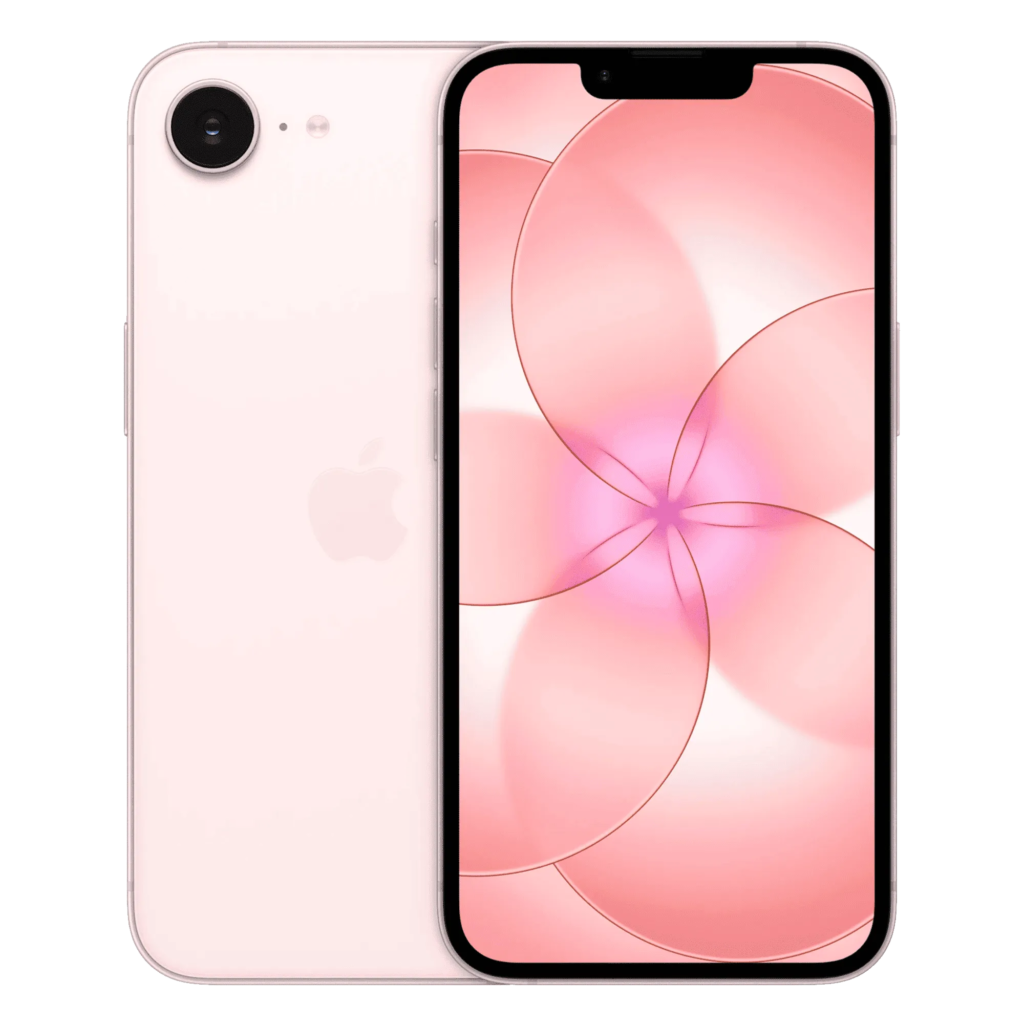
Unlike the SE models of the past that reused decade-old designs, the iPhone 17e is expected to follow the design language of the modern flagship. We are talking about a slim profile, an OLED display, and the “Software-Defined” power of the A19 chip.

By offering a sleek, modern aesthetic at a lower price point, Apple is targeting the one area where Android usually wins: Value for Style. If a consumer can get a brand-new, modern-looking iPhone for the price of a Galaxy A-series or a Google Pixel 10a, the “vibe” of the choice becomes very easy for the average buyer.
Performance: The A19 Advantage
One of the primary reasons the iPhone 17e is causing panic in the Android camp is its silicon. Apple’s “Software-Defined” vertical integration allows them to put flagship-grade processors in their more affordable models.
- Longevity: The A19 chip ensures that the iPhone 17e will receive iOS updates for 7-8 years.
- Efficiency: While mid-range Android chips often struggle with thermal throttling after a year, the iPhone 17e will likely maintain its smooth “vibe” for years.
- AI Integration: With Apple Intelligence becoming a standard in 2026, the iPhone 17e will provide a seamless AI experience that mid-range Android chips may struggle to match.
Why Budget Android Phones are at Risk
For a long time, Android phones held the lead in the mid-range because they offered 120Hz displays, multiple cameras, and fast charging—features Apple “Software-Defined” away from its cheaper models. But the iPhone 17e is rumored to bridge that gap.
If the iPhone 17e ships with a 90Hz ProMotion display and a decent primary sensor, the hardware advantages of Android begin to evaporate. When you add the superior resale value of an iPhone into the mix, the total cost of ownership for an iPhone 17e actually becomes lower than a flagship Android phone over a three-year period.
The Ecosystem Trap
Apple’s real weapon isn’t just the hardware of the iPhone 17e; it’s the “Software-Defined” ecosystem. In 2026, the integration between the Apple Watch, AirPods, and the iPad has reached a level of synergy that Android (even with Google’s best efforts) still hasn’t perfected.
The iPhone 17e serves as the perfect “Gateway Drug.” By pricing it competitively, Apple is inviting millions of budget-conscious Android users into an ecosystem they will likely never leave. This isn’t just about selling a phone; it’s about a long-term “Software-Defined” strategy to capture the next generation of users.
Can Samsung and Google Fight Back?
The threat from the iPhone 17e is real, but Android isn’t dead yet. Companies like Samsung are already pivoting toward “Software-Defined” luxury in their mid-range. We might see:
- Aggressive Pricing: Samsung might lower the price of the S26 FE to undercut the iPhone 17e.
- Niche Features: Android phones will continue to lead in folding tech and extreme zoom cameras—areas where the iPhone 17e will not compete.
- Open Ecosystem: For users who hate the “Walled Garden,” the flexibility of Android will always be the winning “vibe.”
The End of an Era?
The iPhone 17e represents a nightmare scenario for budget Android brands. By combining the prestige of the Apple logo with a modern “Software-Defined” design and a competitive price, Apple is finally playing the game that Android manufacturers have dominated for years.
Whether the iPhone 17e actually “ruins” the market remains to be seen, but one thing is certain: the mid-range “vibe” of 2026 is going to be more competitive, more aggressive, and more Apple-centric than ever before. Android fans, it’s time to buckle up.
Frequently Asked Questions (FAQs):
When is the iPhone 17e expected to launch?
The iPhone 17e is rumored to be part of Apple’s spring 2026 lineup, potentially replacing or sitting alongside the long-awaited iPhone SE 4.
Will the iPhone 17e have a modern design?
Yes, leaks suggest the iPhone 17e will ditch the home button and thick bezels for a “software-defined” slim design with an edge-to-edge OLED display and a Dynamic Island.
How much will the iPhone 17e cost?
While official pricing isn’t out, trade analysts expect the iPhone 17e to be priced between $499 and $599 (approx. ₹42,000 to ₹50,000) to directly compete with premium Android mid-rangers.