Inside your head there is a three-pound thing that looks like a wrinkled up piece of pinkish-grey jelly. It does not look like much. It is in charge of everything you do. The brain is where your memories are, your feelings, how you see and hear things and how you are reading these words right now. This amazing organ is like a supercomputer that does all of these things.
People have been trying to figure out how the brain works for a long time. We have learned a lot. We are still finding out new things that surprise us. In May 2026 we discovered some things that changed what we thought we knew about the brain and how it uses energy.
If you want to be able to focus every day or if you just think the human body is really cool learning some interesting facts about the brain will make you think about your mind in a whole new way.
The Structural Blueprint: Mapping the Mind
Before we get into all the details, about how the brain performs it helps to know what it looks like. The brain is divided into parts, called lobes and each one does something different to help you survive move around and see the world.
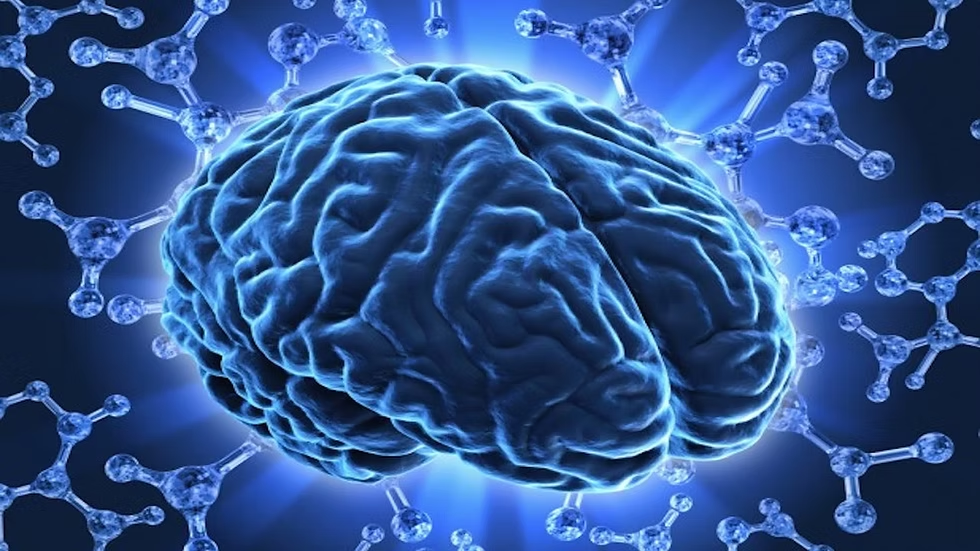
To see how these parts of the brain work together look at the list.
Functional Matrix: The Cortical Regions
| Brain Structure | Primary Functional Duty | Real-World Application |
| Frontal Lobe | Executive function, decision-making, planning, and personality. | Choosing what to wear, managing a budget, or resisting an impulse. |
| Parietal Lobe | Processing sensory inputs like touch, taste, pressure, and temperature. | Feeling a drop of rain on your skin or tasting your morning coffee. |
| Occipital Lobe | Dedicated visual processing hub of the central nervous system. | Interpreting colors, shapes, reading text, and recognizing faces. |
| Temporal Lobe | Auditory processing, language comprehension, and memory storage. | Listening to a favorite song, understanding speech, and storing facts. |
| Cerebellum | Coordinates voluntary movements, balance, posture, and motor habits. | Walking in a straight line, riding a bicycle, or typing smoothly. |
1. The Energy Devourer: The 20-Watt Power Paradox
The human brain is really something when it comes to how well it uses energy. It is about two percent of your total body weight but it uses up a huge twenty percent of your bodys total energy and oxygen.
What is more amazing is how much power it actually uses. Your brain is always working and it only uses twelve to twenty watts of power. That is the same amount of power that a small light bulb uses.
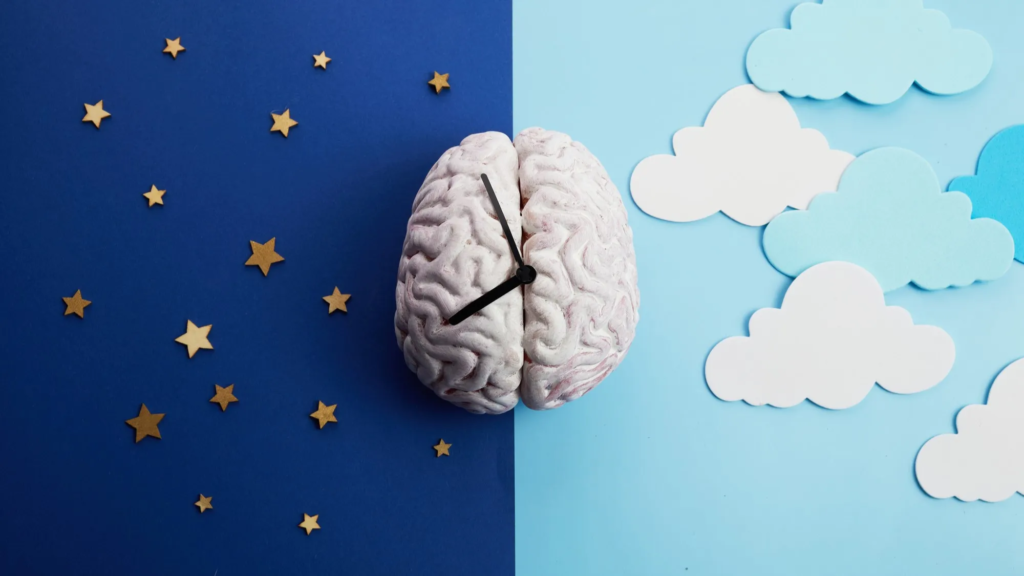
Think about trying to run a powerful computer that can understand language show 3D pictures and store a lot of information all on the same amount of power as a small light bulb. It is really amazing that we still cannot make technology that can do what the human brain can do.
2. Neuroplasticity and the Fresh Discoveries of 2026
For a time doctors thought that the brain you were born with was the brain you would always have. They thought that after you were a kid your brain could not change and you would just lose brain cells as you got older.. That is not true.
The brain can actually. Get better throughout your life. This is called neuroplasticity. It means your brain can reorganize itself grow connections and change how it works based on what you learn your environment and what you do.
In May 2026 scientists found out some things about how our brains work. They learned that when you exercise your brain cells stay active for a time after you are done. This is not an accident. It is actually helping your brain get stronger and more able to handle work.
Also in May 2026 some other scientists were able to help animals get their memory by giving their brain cells more energy. This shows that when people get forgetful it is often because their brain cells are not getting energy not because the cells are dying. The brain is, like the brain it can get tired and need more energy to work properly and that is what the scientists found out.
3. The Unseen Universe of Brain Messaging
To understand the sheer scale of the brain’s processing network, we have to look closely at the microscopic level. The brain contains an estimated 86 billion neurons (nerve cells). Each individual neuron can form up to 10,000 synaptic connections with neighboring cells.
This means the total number of potential pathways inside your head is estimated to be around 100 trillion. If you were to untangle all the nerve fibers (axons) in your brain and lay them end-to-end, they would stretch for over 100,000 miles—enough to circle the entire Earth four times.
Core Metrics of the Human Mind
| Metric Component | Value / Measurement | What It Means for You |
| Total Neuron Count | ~86,000,000,000 cells | The baseline computational units of your mind. |
| Information Speed | Up to 268 miles per hour (431 km/h) | The velocity at which electrical signals travel down axons. |
| Storage Capacity | Estimated 2.5 Petabytes (2,500 Terabytes) | Enough space to continuously record 3 million hours of TV. |
| Water Composition | Approximately 73% to 75% | Explains why mild dehydration causes instant brain fog. |
| Fat Content | Roughly 60% total dry weight | Makes it the absolute fattest organ in the human body. |
4. Processing Speed and the “Eyeblink” Assessment
Our brains are really good at processing information but our hearing systems are super specialized to help us survive in social situations. When you hear someone talk your mind takes a time to understand what the words mean.. Your brain is actually working really fast in the background.
Research from University College London and the University of Essex shows that your brain starts figuring out how someone is feeling 200 milliseconds after you hear their voice. Thats really fast.
Before you even know what the person is saying your brain has already checked the tone, pitch and pace of their voice to see if they’re happy, sad or scared. This helped our ancestors a time ago to detect if someone was angry or scared in the dark.
5. The Phantom Sensation: The Painless Brain
Here’s something interesting about our brains: even though they process pain signals from our bodies the brain itself can’t feel pain.
The brain doesn’t have nerve endings that detect pain, which is why doctors can do brain surgery on awake patients and they don’t feel the surgery.
When we get headaches it’s not the brain tissue thats hurting. It’s the blood vessels, muscles and protective layers around the brain that’re sensitive to pain.
Honoring Your Machinery
Our brains are amazing. They’re flexible use energy and can change based on what we do every day.
Understanding how our brains work is important, for our well-being. For example knowing that our brains are mostly water helps us see why drinking water makes us feel better. Knowing that exercise helps our brains work better shows why moving around is important. And knowing that our brains need a lot of energy shows why sleep is crucial.
Take care of your brain. Keep learning eat foods get outside and try to manage stress. Your brain is how you experience the world so make sure its working well.