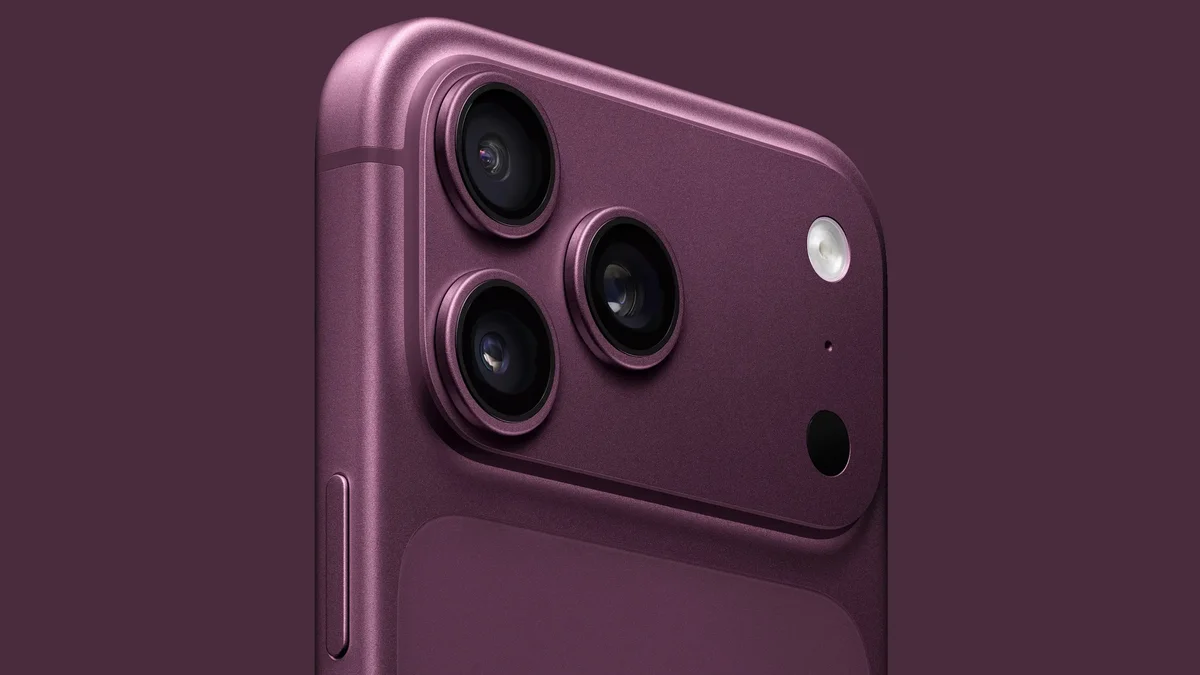
Apple has long used its premium smartphone line to push the boundaries of mobile photography. However, the next major leap forward in image capture might require consumers to dig significantly deeper into their wallets. According to prominent industry analyst leaks, the highly anticipated iPhone 18 Pro camera upgrades are shaping up to be some of the most expensive component changes in the product line’s history.
The upcoming flagships are heavily rumored to introduce an advanced, mechanically driven variable aperture system to the primary wide-angle lens. While this hardware addition promises unprecedented control over light and depth-of-field, the high manufacturing costs of these tiny moving parts could fundamentally alter Apple’s traditional retail pricing structure.
The Engineering Shift: Fixed vs. Variable Aperture Lenses
To understand why the iPhone 18 Pro camera upgrades carry such a premium manufacturing cost, it helps to look at the mechanical differences between traditional smartphone lenses and DSLR cameras.
For generations, iPhones have utilized fixed-aperture lenses. This means the physical opening that lets light hit the camera sensor remains a static size, forcing the phone to rely entirely on software algorithms to simulate background blur (Portrait Mode).
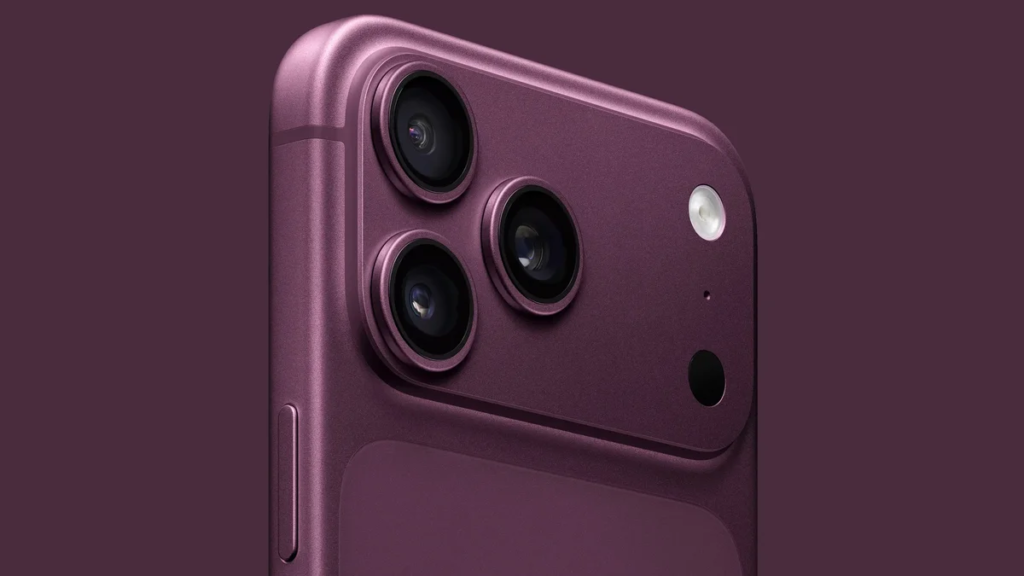
The 2026 flagship line plans to replace this setup with an intricate, multi-bladed physical shutter mechanism. This allows the lens to dynamically adjust its opening size based on lighting conditions, delivering rich, optical background separation and professional-grade exposure control without any digital artifacts.
Supply Chain Dynamics: The Prime Suppliers and Cost Impact
Building a reliable, microscopic mechanical shutter that can survive millions of photo captures requires extreme manufacturing precision. Apple is reportedly shaking up its component partnerships to secure this advanced hardware.
The table below maps out the rumored supply chain distribution and the primary component roles for the upcoming flagship camera modules:
| Component Tier Role | Designated Supply Chain Partner | Primary Hardware Responsibility | Estimated Cost Impact Compared to Baseline |
| Primary Shutter Assembly | Sunny Optical | Manufacturing the dual-axis variable mechanical aperture blades | High (Dramatically more complex than static glass housings) |
| Secondary Shutter Partnership | Largan Precision | Alternative sourcing for internal shutter components | Medium |
| Main Sensor Architecture | Sony | Supplying the high-density underlying image sensor | Standard generational scaling |
| Actuator & Stabilization | Alps Alpine / Mitsumi | Driving the Voice Coil Motors (VCM) for lightning-fast focus and stabilization | Medium |
💰 The Premium Dilemma: Will the Baseline Prices Jump?
For the past several generations, Apple has managed to keep its entry-level Pro model priced at a consistent baseline in major global markets. However, the extreme component costs associated with the iPhone 18 Pro camera upgrades mean this pricing stability might finally break.
Industry analysts note that adding moving mechanical parts inside an ultra-thin smartphone frame creates a ripple effect across production lines. The assembly requires stricter calibration, more intensive quality control testing, and specialized shock-absorption housings to protect the delicate blades from accidental drops. When combined with rising semiconductor manufacturing fees, these added expenses make a retail price increase across premium storage models highly probable.
Expected Real-World Benefits for Mobile Creators
If Apple does pass these manufacturing costs onto the consumer, what do photographers actually get in return? The variable aperture system changes how the phone handles challenging shooting environments:
- Crisp Landscape Photography: In bright daylight, the lens can narrow its opening (stopping down), keeping both the immediate foreground and distant mountain ranges perfectly sharp within a single frame.
- Flawless Close-Ups: When shooting macro style shots or document scans, narrowing the aperture prevents the frustrating edge-blur and soft focus issues that often plague large-sensor smartphones.
- True Cinematic Video: Filmmakers can control physical light intake to maintain ideal shutter speeds, preventing jittery motion tracking and overexposed frames without needing external filters.
Anticipated Rollout: Which Models Get the Upgrade?
Unsurprisingly, Apple’s component integration strategy tends to favor its largest, most expensive form factor when debuting bleeding-edge tech.
1.Exclusive Debut on Highest-Tier Models:Initial Launch Phase.
Early supply chain data suggests the advanced mechanical variable aperture system will debut exclusively on the top-tier flagship model, helping to justify its premium position.
2.Trickle-Down to Standard Pro Variants:Generative Expansion.
As manufacturing yields improve and component production costs stabilize, the technology is expected to expand down to the standard, smaller Pro model in subsequent product cycles.
3.Deep iOS Integration and ProRAW Control:Software Maturation.
The hardware upgrades will launch alongside custom iOS camera settings, giving advanced users manual control over aperture blades right from the native app interface.
Consumer Advisory: If your current phone is reaching the end of its lifecycle and you simply need a dependable, high-performance upgrade, current flagship generations offer spectacular value. However, if your work demands professional-grade mobile filmmaking controls and you are willing to pay a premium for true mechanical lens innovations, saving up for the upcoming launch window might be well worth the wait.